crm web represents a transformative leap in customer relationship management, streamlining processes and enhancing engagement. As businesses navigate an increasingly digital landscape, the implementation of CRM web solutions becomes paramount. These systems not only improve user experience through intuitive interfaces but also offer robust mobile access, ensuring that teams can connect with clients anytime, anywhere.
Delving deeper, the features of CRM web systems unveil a treasure trove of capabilities designed to elevate sales and customer service. By integrating seamlessly with other tools, these solutions create a cohesive ecosystem that empowers organizations to thrive.
Features of CRM Web Solutions
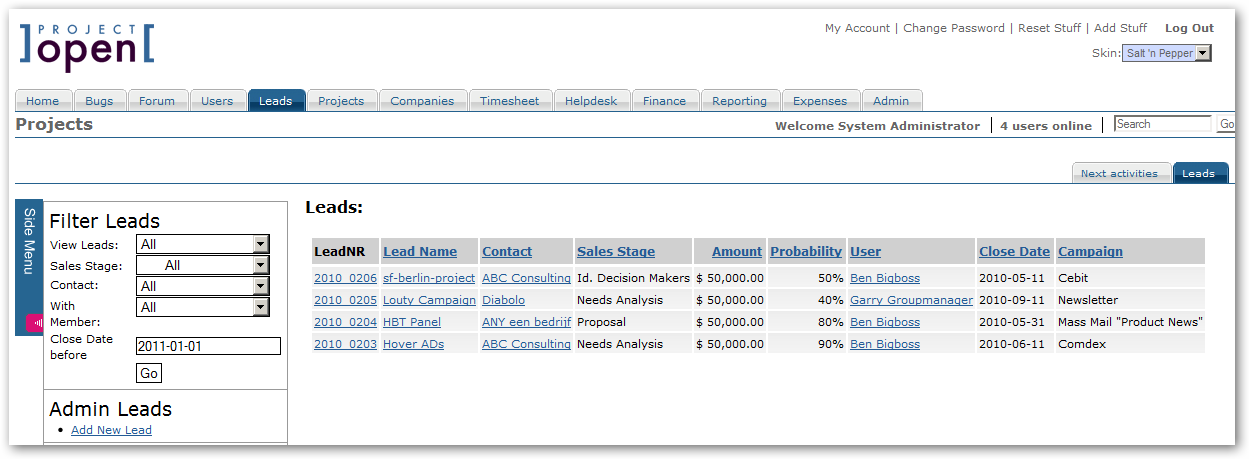
Customer Relationship Management (CRM) web solutions have become integral to businesses seeking to enhance their customer interactions and streamline operations. These systems provide a range of features tailored to improve efficiency and foster stronger relationships with clients. Understanding these features is essential for organizations aiming to leverage technology for better customer engagement.
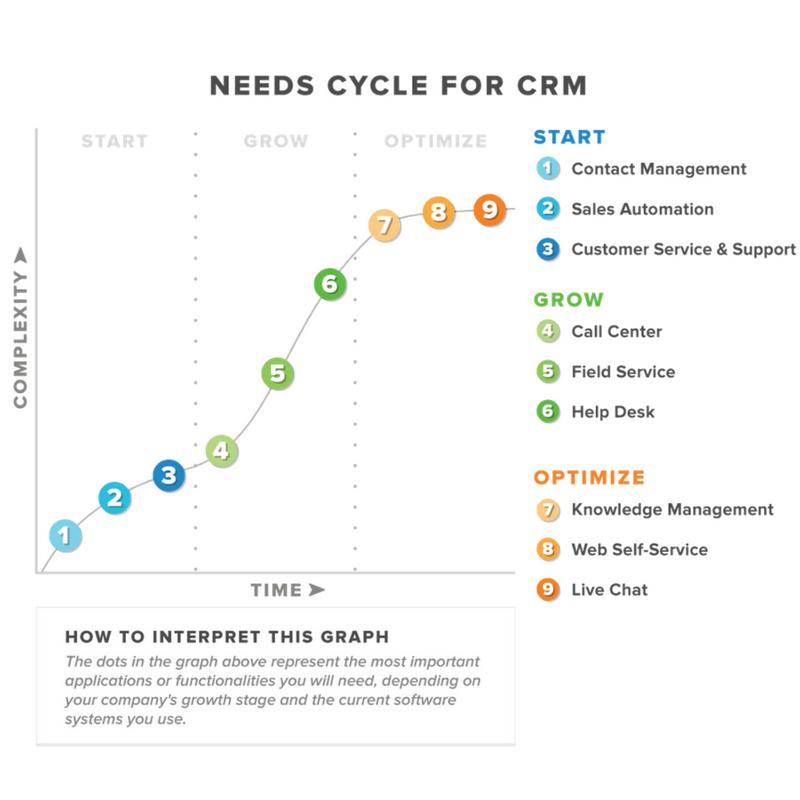
The essential features of a CRM web system include contact management, sales automation, analytics, and customer support functionality. Each of these elements plays a crucial role in managing customer interactions and optimizing business processes.
User Interface Design and User Experience
An effective user interface (UI) design is pivotal for the overall user experience (UX) in CRM solutions. A well-designed UI fosters easy navigation and encourages user engagement. Elements such as layout, color schemes, and intuitive design significantly impact how users interact with the software. A clutter-free interface allows users to access critical features quickly, enhancing productivity and satisfaction.
Key aspects of UI design that influence UX include:
- Intuitive Navigation: Simplified menus and clearly labeled sections allow users to find information effortlessly.
- Responsive Design: A layout that adapts to different screen sizes ensures a consistent experience across devices.
- Visual Hierarchy: Highlighting essential features and calls to action guides users naturally through the application.
- Customization: Options for users to personalize their dashboards can lead to a more tailored experience.
Mobile Accessibility in CRM Web Applications
Mobile accessibility is a critical feature for modern CRM web applications. As businesses increasingly operate on the go, having access to CRM functionalities from mobile devices is essential. This feature enables sales teams and customer service representatives to manage customer relationships from anywhere, ensuring timely responses and updates.
The significance of mobile accessibility encompasses several factors:
- Real-Time Data Access: Users can access up-to-date information, ensuring they have the latest insights when interacting with clients.
- Increased Productivity: Mobile CRM solutions allow teams to update records and complete tasks in real-time, reducing delays and improving workflow.
- Enhanced Communication: Instant access to customer information facilitates more effective communication and relationship building.
- Task Management: Users can manage and assign tasks remotely, ensuring that team collaboration continues seamlessly, regardless of location.
Benefits of Implementing CRM Web Systems
Implementing a CRM web solution offers numerous advantages that can significantly enhance the operational efficiency of sales teams and improve customer service. By centralizing customer information and facilitating communication among team members, CRM systems empower organizations to foster stronger customer relationships and streamline their sales processes.
Advantages for Sales Teams
Sales teams equipped with CRM web solutions experience enhanced productivity and more effective management of customer interactions. These systems allow sales representatives to access real-time data on customer preferences, purchase history, and communication logs, enabling them to tailor their approach accordingly.
Key benefits include:
- Improved Lead Management: CRM systems provide sales teams with tools to track leads effectively, ensuring no potential sales opportunity is overlooked.
- Data-Driven Insights: The analytics features of CRM solutions allow sales teams to identify trends and make informed decisions based on customer behavior.
- Automated Task Management: By automating repetitive tasks, sales representatives can focus on building relationships and closing deals rather than administrative work.
Enhancements in Customer Service
CRM web systems have a profound impact on customer service quality, enabling businesses to respond quickly and effectively to customer inquiries and issues. By consolidating all customer interactions in a single platform, service representatives can provide personalized and efficient support.
The effectiveness of CRM systems in customer service is highlighted by:
- 24/7 Access to Customer Information: Service agents can access customer profiles anytime, allowing for immediate assistance.
- Faster Response Times: With streamlined communication tools, agents can quickly collaborate with colleagues to resolve customer issues.
- Customer Feedback Integration: CRM systems can track customer feedback in real-time, enabling teams to adjust their strategies based on input from clients.
Cost-Saving Potential
Adopting a CRM web approach can lead to significant cost savings for businesses by improving efficiency and reducing redundancy. By centralizing data and automating processes, companies can minimize operational costs while enhancing their service offerings.
The cost-saving advantages of CRM web systems include:
- Reduction in Administrative Costs: Automating routine tasks and consolidating customer data reduces the need for extensive administrative support.
- Increased Sales Productivity: With better lead management and customer insights, sales teams can close deals faster, maximizing revenue potential.
- Enhanced Customer Retention: Providing personalized service leads to higher customer satisfaction, resulting in decreased churn rates and associated costs.
“A well-implemented CRM system can reduce operational costs by up to 30%, showcasing the financial benefits of investing in this technology.”
Integration with Other Tools
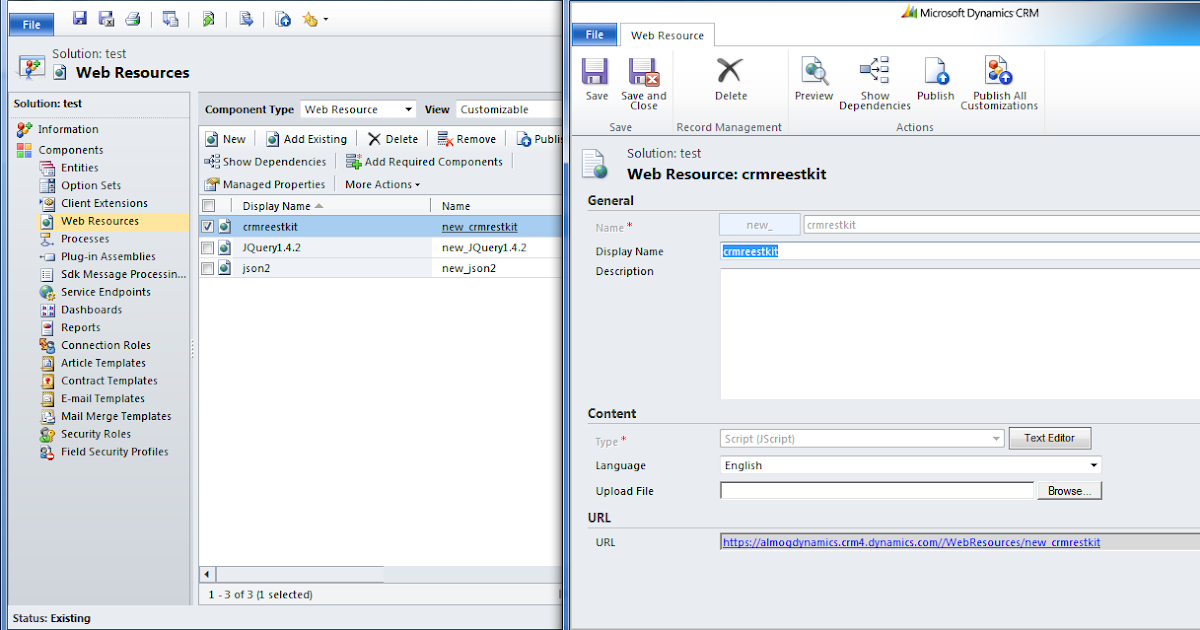
Integrating CRM web solutions with other software tools is essential for enhancing business processes, automating workflows, and improving data accuracy. A seamless integration ensures that all systems work together harmoniously, minimizing the risk of errors and enabling a more efficient operation across departments. By leveraging various tools, businesses can streamline their customer relationship management and provide a more cohesive experience for both employees and customers.
An API (Application Programming Interface) plays a crucial role in enhancing the functionalities of CRM web solutions. APIs allow different software applications to communicate with each other, facilitating data exchange and interaction. This capability is vital for businesses that rely on various software systems to manage their operations. The use of well-designed APIs can lead to increased efficiency, reduced manual data entry, and a more integrated approach to customer relationship management.
Common Software Tools Integrating with CRM Web Solutions
The integration of CRM web solutions with other software tools can significantly boost operational efficiency. The most commonly integrated software solutions include:
- Email Marketing Platforms: Tools like Mailchimp and Constant Contact enable businesses to manage email campaigns directly within the CRM, ensuring targeted communication and better tracking of customer engagement.
- Project Management Tools: Applications such as Asana, Trello, and Monday.com help teams collaborate on projects while maintaining visibility of customer interactions within the CRM.
- Accounting Software: Integrating platforms like QuickBooks and Xero assists in financial tracking and invoicing, ensuring that customer transactions are accurately recorded in the CRM.
- Social Media Management Tools: Tools like Hootsuite and Buffer help manage social media interactions, allowing CRM systems to track customer engagement across various platforms.
- Customer Support Platforms: Solutions like Zendesk and Freshdesk can be integrated to provide a seamless experience for customer inquiries and support tickets directly linked to CRM records.
API Role in CRM Enhancements, Crm web
APIs serve as the backbone for integrating various software systems with CRM web solutions. They facilitate the following enhancements:
- Real-Time Data Sync: APIs ensure that any changes made in one system are immediately reflected in the CRM, providing up-to-date information without manual input.
- Enhanced User Experience: By allowing data from different applications to be accessed within the CRM, APIs create a unified interface that simplifies user interactions.
- Custom Integrations: Businesses can create tailored solutions to meet specific needs by utilizing APIs, enhancing the overall functionality of the CRM.
- Automated Workflows: APIs enable businesses to automate routine tasks by connecting their CRM with other systems, reducing the need for manual intervention.
Integration Methods for CRM Applications
Several methods can be employed to integrate CRM web applications with other tools. The choice of method depends on business needs and available resources:
- Direct API Integration: This method utilizes APIs provided by both the CRM and the third-party tool, allowing for seamless communication and data transfer.
- Middleware Solutions: Middleware platforms, such as Zapier or Integromat, act as intermediaries to facilitate integration between different applications without needing extensive coding.
- Custom Development: Organizations may choose to develop bespoke integration solutions tailored to their specific requirements, often involving more complex programming efforts.
- Built-in Integrations: Many CRM solutions come with pre-built integrations for popular tools, simplifying the setup process and ensuring compatibility.
Best Practices for CRM Web Implementation
Implementing a CRM web system can significantly enhance an organization’s operational efficiency and customer relationship management. However, the process requires careful planning and execution to ensure that the system delivers the desired outcomes. By following a set of best practices, organizations can maximize the benefits of their CRM initiatives and ensure a smooth transition.
Steps for Effectively Implementing a CRM Web System
A systematic approach is essential for the successful implementation of a CRM web system. The following steps Artikel a structured method to guide organizations through the process:
- Define Clear Objectives: It is vital to establish specific goals that the CRM system is expected to achieve, such as improving customer retention or streamlining sales processes.
- Conduct a Needs Analysis: Evaluate the requirements of different departments to ensure the CRM solution meets the diverse needs of the organization.
- Choose the Right CRM Solution: Select a CRM system that aligns with the established objectives and integrates well with existing tools and technologies.
- Involve Key Stakeholders: Engage representatives from various teams early in the implementation process to gather insights and foster buy-in.
- Develop a Detailed Implementation Plan: Create a roadmap that Artikels timelines, responsibilities, and milestones for the implementation process.
- Test the System: Before a full rollout, conduct thorough tests to identify any issues and ensure the CRM functions as intended.
- Launch the CRM System: Gradually implement the system across the organization, monitoring progress and addressing any challenges that arise.
Training Staff on Using a CRM Web Solution Efficiently
Training is a critical component of the CRM implementation process. Ensuring that staff are well-versed in using the CRM web solution can enhance user adoption and optimize its utilization. The following strategies can facilitate effective training:
- Provide Comprehensive Training Sessions: Organize workshops that cover all functionalities of the CRM, tailored to different user roles within the organization.
- Utilize Hands-On Learning: Incorporate practical exercises and simulations that allow staff to practice using the CRM in real-world scenarios.
- Create User Manuals and Resources: Develop easy-to-understand documentation that can serve as reference materials for staff as they learn the system.
- Encourage Peer Learning: Foster a collaborative environment where experienced users can mentor and assist their colleagues, enhancing overall proficiency.
- Implement Ongoing Support: Provide continuous access to support resources and troubleshooting sessions to address user questions and challenges post-implementation.
Strategies to Ensure Data Security and Compliance in CRM Web Systems
Data security and compliance are paramount in managing customer information within CRM web systems. Organizations must take proactive measures to safeguard sensitive data while adhering to relevant regulations. The following strategies can help ensure robust data security:
- Implement Role-Based Access Control: Restrict access to sensitive information based on user roles to minimize the risk of unauthorized access.
- Regularly Update Security Protocols: Keep security measures, including firewalls and anti-virus software, updated to protect against emerging threats.
- Encrypt Sensitive Data: Utilize encryption techniques to secure data both at rest and in transit, safeguarding it from potential breaches.
- Conduct Regular Security Audits: Perform comprehensive audits to identify vulnerabilities and ensure compliance with applicable data protection regulations.
- Train Employees on Data Security Best Practices: Educate all staff on recognizing security threats, such as phishing scams, and the importance of maintaining data confidentiality.
Quick FAQs
What is crm web?
crm web refers to web-based customer relationship management systems that help organizations manage customer interactions and data.
How does crm web improve customer service?
crm web enhances customer service by centralizing customer information, enabling faster response times and personalized interactions.
What are the costs associated with implementing crm web?
Costs vary depending on the vendor and features but generally include subscription fees, implementation costs, and training expenses.
Can crm web be accessed on mobile devices?
Yes, most crm web solutions offer mobile accessibility, allowing users to manage customer relationships on-the-go.
What types of businesses benefit from crm web?
All types of businesses, from small startups to large enterprises, can benefit from crm web systems by improving efficiency and customer management.
If you’re exploring options for managing your sales pipeline, consider checking out the alternative pipedrive. These tools offer unique features that can streamline your workflow and enhance productivity, often at a more competitive price point. Finding the right solution can significantly impact your team’s efficiency and engagement.
In today’s digital landscape, having a robust crm online is essential for businesses aiming to improve customer relationships. These platforms not only facilitate better communication but also provide valuable insights into customer behavior, enabling more personalized marketing strategies. Embracing an online CRM can be a game-changer for your business growth.