crm online is transforming the landscape of customer relationship management, ushering businesses into a new era of efficiency and engagement. With the ability to streamline processes and enhance communication, CRM online solutions are becoming indispensable for companies striving to build strong customer relationships. This overview delves into the primary functions and benefits of CRM online systems, spotlighting key features that make them essential tools for growth.
As businesses increasingly rely on digital solutions, the transition from traditional methods to CRM online software offers significant advantages. From improved data organization to real-time analytics, these platforms empower teams to make informed decisions that drive customer satisfaction and loyalty.
Overview of CRM Online Solutions
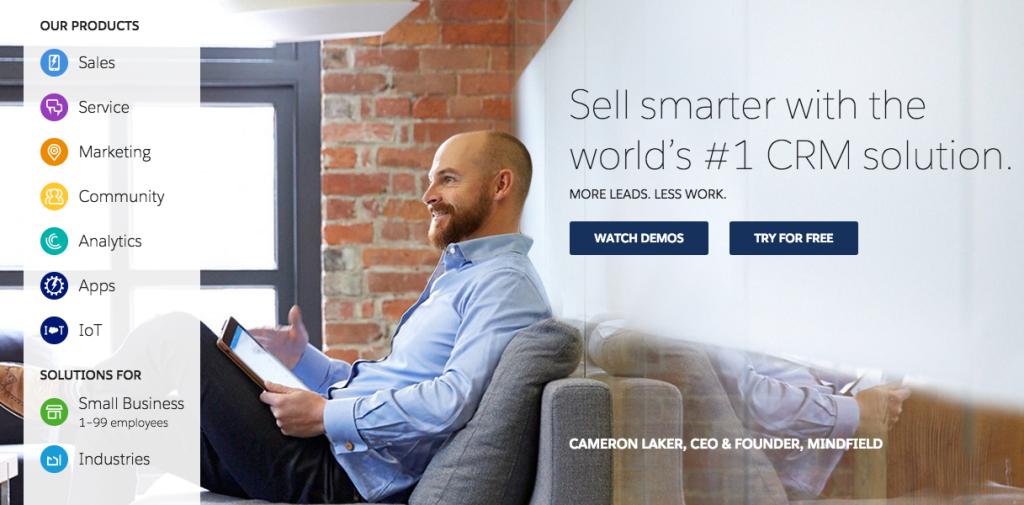
Customer Relationship Management (CRM) online solutions have transformed the way businesses interact with their customers. By leveraging advanced technology, these systems streamline processes, enhance user experiences, and provide valuable insights into consumer behavior. The shift from traditional methods to comprehensive online platforms marks a pivotal change in how organizations manage their customer relationships.
The primary functions of CRM online systems encompass a wide array of tasks that are essential for modern business operations. These systems are designed to collect, analyze, and manage customer data, facilitating seamless communication and interaction. Key functions include tracking customer interactions, managing leads, automating marketing campaigns, and providing analytical insights that empower businesses to make informed decisions. This multifaceted approach not only conserves time and resources but also elevates the standard of customer service provided.
Benefits of CRM Software Over Traditional Methods
The transition from traditional customer management methods to CRM software yields numerous advantages that significantly enhance business efficiency. By adopting CRM online solutions, companies can experience:
- Improved Customer Insights: CRM systems aggregate data from various sources, allowing businesses to analyze customer behaviors and preferences, which aids in tailoring services effectively.
- Enhanced Communication: With centralized information, businesses can communicate with customers more effectively, ensuring that all team members are on the same page regarding customer interactions.
- Increased Productivity: Automation features in CRM solutions streamline repetitive tasks, enabling employees to focus on more strategic activities that drive revenue.
- Scalability: CRM online systems can scale as a business grows, accommodating increasing amounts of data and user access without a hitch.
- Cost Efficiency: By reducing manual processes and improving customer retention, CRM solutions can lead to significant savings in operational costs.
Key Features of Popular CRM Online Platforms
When considering CRM online platforms, several key features stand out as critical components that boost their functionality and value. These features not only enhance user experience but also ensure that businesses can manage their customer relationships effectively.
- Lead Management: This feature assists businesses in capturing and nurturing leads throughout the sales funnel, improving conversion rates.
- Customer Support Tools: Integrated support systems, such as ticketing and chat functionalities, enhance the customer service experience by providing timely assistance.
- Analytics and Reporting: Advanced analytics tools enable businesses to track performance metrics, visualize customer trends, and create reports that inform strategic decisions.
- Integration Capabilities: The ability to integrate with other business tools and platforms facilitates seamless data sharing and enhances operational workflows.
- Mobile Access: Many CRM platforms offer mobile applications, allowing sales teams to access critical information while on the go, thus ensuring constant connectivity.
“An effective CRM system is not just a tool for tracking sales; it’s a comprehensive framework for enhancing customer relationships.”
Choosing the Right CRM Online
Selecting the most suitable CRM online solution is a critical decision for businesses seeking to enhance their customer relationships and streamline operations. With a multitude of options available, making an informed choice requires thorough evaluation based on specific needs and goals. This section provides valuable insights and a structured approach to guide businesses in their selection process.
Checklist for Evaluating CRM Online Options
To effectively assess different CRM online solutions, consider the following checklist. Each point will help clarify which features and functionalities are essential for your business requirements.
- Usability: Evaluate the user interface and overall user experience. A user-friendly CRM encourages team adoption.
- Customization: Look for options that allow customization to meet your unique business processes.
- Integration Capabilities: Ensure the CRM can easily integrate with existing tools and platforms, such as email, accounting software, and marketing tools.
- Customer Support: Check the availability and quality of customer support, including tutorials, live chat, and phone support.
- Scalability: Consider if the CRM can grow with your business, accommodating more users and additional features as needed.
- Mobile Access: Confirm that the solution offers mobile functionality, allowing your team to access information on the go.
- Reporting and Analytics: Look for built-in reporting tools that provide insights into customer behavior and sales performance.
- Security Features: Assess the security measures in place to protect sensitive customer information.
Comparison of Pricing Structures of Leading CRM Online Services
Understanding the pricing structures of various CRM online services is crucial for budget planning. The following table summarizes the typical pricing models used by leading CRM providers:
| CRM Provider | Pricing Model | Starting Price (Monthly) | Key Features |
|---|---|---|---|
| Salesforce | Subscription-based | Starting at $25 | Comprehensive features including sales tracking, analytics, and integration options. |
| HubSpot | Freemium + Paid Tiers | Free basic tier; Paid plans start at $50 | Marketing tools, sales automation, and lead management. |
| Zoho CRM | Subscription-based | Starting at $12 | Customization, robust reporting, and multi-channel communication. |
| Freshsales | Subscription-based | Starting at $15 | Lead management, email tracking, and built-in phone capabilities. |
| Microsoft Dynamics 365 | Subscription-based | Starting at $65 | Advanced analytics, integration with Microsoft products, and customizable workflows. |
Factors to Consider When Selecting a CRM Online Solution for Small Businesses
Choosing the right CRM online solution for small businesses involves careful consideration of various factors. Each element plays a critical role in ensuring that the chosen CRM not only meets current needs but also supports future growth.
- Budget: Small businesses should set a realistic budget that includes not just the subscription cost but also potential implementation and training expenses.
- Business Size: Assess the number of users and the complexity of your sales processes to determine the necessary features.
- Industry-Specific Needs: Consider if the CRM offers tailored solutions for your industry, which can enhance functionality and support.
- User Adoption: Evaluate how easily your team can learn and adopt the new system, as resistance can hinder effectiveness.
- Trial Options: Take advantage of free trials to test the software’s functionality, usability, and compatibility with your business processes.
- Customer Feedback: Research reviews and testimonials from other small business owners to gauge satisfaction and performance of the CRM.
Implementation and Integration Strategies: Crm Online
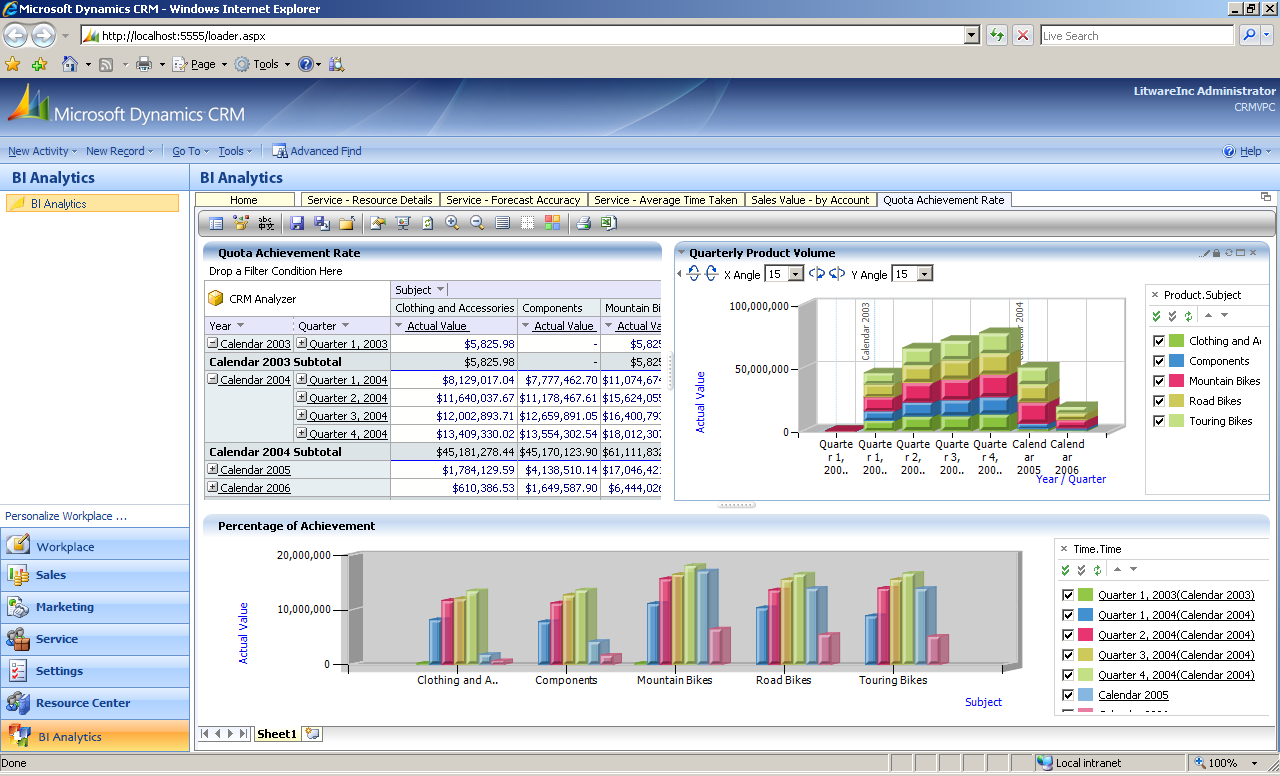
Implementing a CRM online system is a pivotal step towards enhancing customer relationships and streamlining business processes. A structured approach not only facilitates a smoother transition but also ensures that the system is tailored to meet the unique needs of the organization. This section elaborates on the steps involved in the implementation process, integration methods with existing business operations, and best practices for effectively training staff.
Step-by-Step Guide for Implementing a CRM Online System
A successful CRM implementation requires careful planning and execution. Here is a detailed guide to navigate through the process:
- Define Goals and Objectives: Establish clear goals for what you want to achieve with the CRM system. These could include improving customer service, increasing sales, or enhancing data analytics.
- Choose the Right CRM Solution: Select a CRM that aligns with your objectives, budget, and existing systems. Consider features, usability, and scalability.
- Develop a Project Plan: Artikel a detailed project plan, including timelines, milestones, roles, and responsibilities. This helps in tracking progress and accountability.
- Data Migration: Prepare and migrate existing customer data to the new system carefully. Ensure data accuracy and integrity during this process.
- Customize the CRM: Configure the CRM to meet specific business needs, such as custom fields, workflows, and reporting templates.
- Integration with Existing Systems: Seamlessly integrate the CRM with existing tools such as ERP systems, email, and marketing platforms to enhance functionality.
- Test the System: Conduct thorough testing of the CRM to identify any issues or areas for improvement before going live.
- Launch and Monitor: Officially launch the CRM system and monitor its performance. Gather feedback from users to make necessary adjustments.
Methods for Integrating CRM Online with Existing Business Processes
Integrating a CRM system into existing business processes is essential for maximizing its effectiveness and achieving operational harmony. The following methods can facilitate this integration:
– APIs and Middleware: Utilize APIs to connect the CRM with other software applications. Middleware solutions can help bridge gaps between different systems, allowing for seamless data flow.
– Custom Workflows: Develop custom workflows that align with existing business processes, ensuring that the CRM supports day-to-day operations rather than disrupting them.
– Data Synchronization: Implement regular data synchronization to maintain consistency across platforms. This ensures that all departments have access to up-to-date information.
– User Access Controls: Establish user access controls based on roles within the organization to ensure that employees have the necessary access to the CRM while maintaining data security.
Best Practices for Training Staff to Use CRM Online Tools Effectively
Training staff is a critical component in the successful adoption of a CRM system. Here are some best practices to ensure effective training:
– Tailored Training Programs: Design training programs that cater to different user roles within the organization. Focus on relevant features and functionalities for each group.
– Hands-On Training Sessions: Conduct interactive training sessions that allow employees to practice using the CRM in a controlled environment. This real-world experience is invaluable for building confidence.
– Provide Documentation and Resources: Create comprehensive user manuals and resources that employees can reference post-training. Easy access to documentation can aid in reinforcing learning.
– Encourage Ongoing Learning: Foster a culture of continuous learning by offering refresher courses and advanced training sessions as the CRM evolves and new features are introduced.
– Gather Feedback for Improvements: Solicit feedback from employees regarding the training process and the CRM itself. This information can be used to enhance future training sessions and system functionalities.
Enhancing Customer Relationships with CRM Online
In today’s competitive market, enhancing customer relationships is crucial for business success. CRM online systems provide a robust framework for managing customer interactions and improving engagement. By leveraging technology, companies can foster stronger connections with their customers, ensuring loyalty and satisfaction.
Effective customer communication is pivotal for relationship building. CRM online systems facilitate improved dialogue between businesses and their clients through various channels. These platforms allow organizations to track customer inquiries, preferences, and feedback, which leads to more tailored interactions.
Techniques for Improving Customer Communication
Utilizing CRM online to enhance customer communication involves several key techniques. These strategies can help businesses maintain a responsive and proactive approach towards their clients.
- Automated Responses: Implement automated responses for common queries to ensure timely communication, reducing customer wait times.
- Multi-Channel Engagement: Engage customers through their preferred communication channels such as email, social media, and live chat, ensuring a seamless experience.
- Personalized Messaging: Use customer data to craft personalized messages that resonate with individual preferences, enhancing relevance and engagement.
- Feedback Loops: Establish mechanisms for gathering customer feedback through surveys or polls, allowing them to feel heard and valued.
Personalization of customer experiences is another significant advantage of employing CRM online systems. By leveraging the data captured within these platforms, businesses can create tailored experiences that meet customer needs more effectively.
Leveraging CRM Data for Personalization
Creating personalized customer experiences is essential for fostering loyalty and increasing customer satisfaction. CRM systems provide valuable insights that can guide businesses in tailoring their offerings.
- Segmentation: Utilize customer data to segment your audience based on demographics, purchasing behavior, and preferences, allowing for targeted marketing strategies.
- Behavior Tracking: Analyze customer interaction history to understand preferences and tailor future communication accordingly.
- Customized Offers: Develop personalized promotions based on previous purchases or expressed interests, increasing the likelihood of conversions.
- Journey Mapping: Map out customer journeys to identify touchpoints where personalized interactions can enhance the overall experience.
Measuring the effectiveness of CRM initiatives is crucial in understanding the impact of customer relationship management strategies. It allows businesses to refine their approaches based on solid data.
Measuring Effectiveness of CRM Initiatives
Implementing effective measurement strategies enables businesses to evaluate the success of their CRM online systems. Key performance indicators (KPIs) can provide insights into how well customer relationships are being managed.
- Customer Satisfaction Scores (CSAT): Utilize surveys to measure customer satisfaction after interactions to gauge immediate perceptions.
- Net Promoter Score (NPS): Assess customer loyalty by asking how likely customers are to recommend the company to others.
- Customer Retention Rate: Monitor retention rates to measure the effectiveness of relationship-building efforts over time.
- Sales Growth: Analyze sales data to determine if CRM initiatives lead to increased revenue from existing customers.
Popular Questions
What is CRM online software?
CRM online software is a cloud-based tool that helps businesses manage customer interactions, track sales, and streamline processes to improve relationships and drive sales.
How can CRM online benefit my small business?
It can improve customer service, increase sales through better data management, and enhance team collaboration.
Is CRM online easy to implement?
Yes, most CRM online solutions are designed for easy integration with existing systems, and many offer training resources for staff.
How do I choose the right CRM online system?
Consider your business size, budget, needed features, and the ability to scale with your business growth when selecting a CRM online system.
Can I use CRM online on mobile devices?
Yes, many CRM online platforms offer mobile applications, allowing you to manage customer relationships on the go.
For businesses looking to streamline their operations, adopting dolibarr erp can be a game changer. This open-source software is designed to integrate various business functions, enhancing efficiency and collaboration across departments. With its user-friendly interface and customizable features, Dolibarr ERP stands out as a robust solution that adapts to the unique needs of different organizations.
Managing customer relationships effectively is crucial, and that’s where crm pc solutions come into play. These tools help businesses track interactions and sales, providing insights that can lead to improved customer engagement. With comprehensive features tailored for various industries, CRM software enhances productivity and drives growth by ensuring that no client is overlooked.