crm e sets the stage for this enthralling narrative, offering readers a glimpse into a story that is rich in detail and brimming with originality from the outset.
This discussion explores the myriad tools and technologies that define CRM E, illustrating how these systems enhance customer relationship management. By contrasting cloud-based and on-premise solutions and highlighting the integration of emerging technologies like AI, we delve into the best practices for implementing CRM E effectively. Furthermore, we examine the benefits and challenges associated with its adoption, catering to businesses of all sizes while gazing into the future trends that shape the industry.
CRM E Tools and Technologies
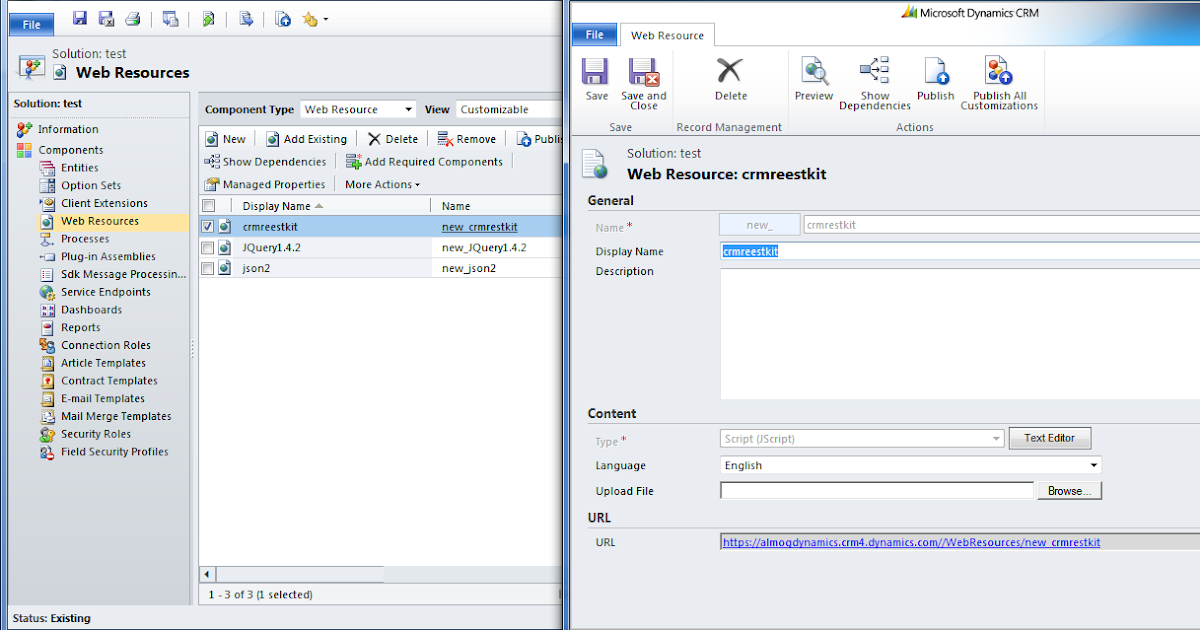
The landscape of Customer Relationship Management (CRM) is evolving rapidly with advancements in technology. Companies are increasingly leveraging CRM E tools to optimize their customer interactions, streamline processes, and enhance data management. In this discussion, we will delve into the functionality of popular CRM E software, compare cloud-based and on-premise solutions, and explore emerging technologies like AI integration that are shaping the future of CRM.
Functionality of Popular CRM E Software
CRM E software offers a suite of functionalities designed to improve customer engagement and operational efficiency. Key functionalities include:
- Contact Management: Maintains detailed records of customer interactions, facilitating personalized communication.
- Lead Management: Tracks potential customers throughout the sales funnel, ensuring timely follow-ups and nurturing.
- Sales Automation: Automates repetitive tasks, such as sending follow-up emails and scheduling meetings, allowing sales teams to focus on closing deals.
- Reporting and Analytics: Provides insights through customizable dashboards and reports, aiding in data-driven decision making.
- Integration Capabilities: Connects with other business applications, such as email marketing tools and e-commerce platforms, to create a seamless workflow.
Comparison between Cloud-Based and On-Premise CRM E Solutions
When selecting a CRM E solution, organizations often face the decision between cloud-based and on-premise systems. Each option presents distinct advantages and potential drawbacks.
- Cloud-Based CRM: Accessible from anywhere with an internet connection, allowing remote teams to collaborate effectively. It typically involves lower upfront costs and offers automatic updates. However, concerns about data security and reliance on internet connectivity persist.
- On-Premise CRM: Offers greater control over data and customization but requires substantial initial investment in infrastructure and ongoing IT support. This solution may be more suitable for industries with stringent data security regulations.
Cloud-based solutions provide flexibility and scalability, while on-premise solutions offer control and compliance.
Emerging Technologies in CRM E
The integration of emerging technologies is revolutionizing CRM E systems. A noteworthy trend is the incorporation of Artificial Intelligence (AI), which enhances CRM functionalities significantly.
- AI-Powered Analytics: Analyzes vast datasets to predict customer behavior, allowing businesses to tailor their strategies and improve customer satisfaction.
- Chatbots and Virtual Assistants: Automate customer service inquiries, providing quick responses and freeing human agents to handle more complex issues.
- Predictive Lead Scoring: Uses machine learning algorithms to assess the likelihood of leads converting, prioritizing sales efforts effectively.
- Sentiment Analysis: Evaluates customer feedback from various channels, offering insights into customer satisfaction and areas for improvement.
AI integration into CRM systems not only enhances efficiency but also fosters a more personalized customer experience.
Implementation Strategies for CRM E
Successful implementation of CRM E systems is crucial for enhancing customer engagement, streamlining operations, and driving business growth. Organizations must strategically approach the implementation process to optimize both the technology and the user experience. This section Artikels the essential steps for a successful implementation, evaluates potential CRM E solutions, and identifies the key stakeholders involved in the process.
Steps for Successful CRM E Implementation
Implementing a CRM E system requires careful planning and execution. The following steps Artikel a structured approach to ensure a successful deployment:
- Define Objectives: Clearly Artikel the goals and expected outcomes of the CRM E implementation, such as improved customer service or enhanced sales tracking.
- Assess Current Systems: Evaluate existing processes and tools to identify gaps and areas for improvement.
- Involve Stakeholders: Engage all relevant stakeholders early to ensure their needs and insights are incorporated into the project.
- Select a CRM E Solution: Research and choose a CRM E platform that aligns with business needs and objectives.
- Plan for Data Migration: Develop a comprehensive strategy for transferring existing customer data into the new system.
- Train Users: Provide training sessions for employees to familiarize them with the new system and its features.
- Launch and Monitor: Implement the CRM E solution, monitor its performance, and gather user feedback for potential adjustments.
Checklist for Evaluating CRM E Solutions
Before purchasing a CRM E solution, businesses should evaluate several critical factors to ensure the selected system meets their requirements. The following checklist can guide this evaluation:
Consider the following factors to ensure a comprehensive evaluation of CRM E solutions:
- Scalability: Can the system grow with the business?
- User-Friendliness: Is the interface intuitive and easy to navigate for all users?
- Integration Capabilities: Does the CRM E solution integrate well with existing tools and platforms?
- Customization Options: Can the system be tailored to meet specific business needs and workflows?
- Support and Training: What level of customer support and training is offered by the vendor?
- Cost: What are the total costs involved, including licensing, implementation, and ongoing maintenance?
- Security Features: What measures are in place to protect sensitive customer data?
Key Stakeholders in CRM E Implementation
The successful implementation of a CRM E system involves various stakeholders, each playing a pivotal role in the process. Identifying these stakeholders ensures that their needs and expectations are met throughout the implementation journey. Key stakeholders typically include:
- Project Manager: Oversees the entire implementation process and ensures that objectives are met.
- IT Department: Responsible for technical setup, data migration, and system integration.
- Sales Team: Provides insights on customer engagement and sales processes that the CRM E system must support.
- Customer Service Representatives: Offer perspectives on how CRM E can enhance customer interactions and service delivery.
- Executive Leadership: Sets strategic direction and provides the necessary support and resources for implementation.
- End Users: The employees who will use the CRM E system daily; their feedback is crucial for user acceptance and satisfaction.
Benefits and Challenges of CRM E
The adoption of Customer Relationship Management (CRM) systems has transformed the way businesses interact with their customers. With the advent of CRM E, organizations can streamline their processes, enhance customer engagement, and ultimately drive sales. However, the transition to CRM E also comes with its own set of challenges that businesses must navigate. Understanding both the advantages and the obstacles involved is crucial for any business looking to implement CRM E effectively.
Advantages of CRM E
CRM E offers numerous benefits that can significantly enhance customer relationships. These advantages include improved data management, personalized customer interactions, and increased efficiency in sales processes.
- Centralized Customer Data: CRM E systems provide a unified platform for storing all customer information. This centralization allows for better tracking of customer interactions, preferences, and transaction histories, enabling businesses to tailor their offerings more effectively.
- Enhanced Customer Engagement: With access to comprehensive customer profiles, businesses can create personalized marketing campaigns and communications, fostering stronger connections with their clientele.
- Improved Sales Efficiency: Automation features within CRM E streamline sales processes, reducing the time spent on administrative tasks and allowing sales teams to focus on building relationships and closing deals.
- Data-Driven Decision Making: Analytics tools integrated within CRM E systems offer insights into customer behavior and market trends, enabling businesses to make informed strategic decisions.
Challenges of Adopting CRM E
While the advantages of CRM E are substantial, businesses may encounter several challenges upon implementation. Recognizing these obstacles is essential for a successful transition.
- Resistance to Change: Employees may be hesitant to adapt to new systems and processes, especially if they are accustomed to traditional methods of customer management. This resistance can hinder the successful adoption of CRM E.
- Data Privacy Concerns: With the increased emphasis on data collection and storage, businesses must navigate strict regulations related to customer data privacy, potentially leading to compliance challenges.
- Integration Issues: Many businesses operate with legacy systems that may not integrate seamlessly with new CRM E solutions. This can lead to complications and increased costs during the transition.
- Cost of Implementation: The initial investment in CRM E systems can be substantial, particularly for small businesses. Evaluating the return on investment (ROI) is crucial to justify the expenditure.
Impact of CRM E on Small Businesses Versus Large Enterprises
The effects of CRM E can vary significantly between small businesses and large enterprises, influencing their operational dynamics and customer relationship strategies.
- Small Businesses: For smaller organizations, CRM E can democratize access to customer insights that might otherwise be unavailable due to limited resources. It enables them to compete more effectively with larger firms by leveraging data analytics for targeted marketing efforts.
- Large Enterprises: In contrast, large enterprises benefit from CRM E through enhanced scalability and the ability to manage vast amounts of customer data efficiently. The complexity of their operations requires robust CRM E solutions that can integrate with existing systems and processes.
- Customization Needs: Small businesses often require more intuitive and simpler solutions, while large enterprises may need highly customizable systems that cater to diverse departments and global operations.
Future Trends in CRM E
The landscape of CRM E (Customer Relationship Management for E-commerce) is continuously evolving, driven by advances in technology and changing customer expectations. As organizations strive to enhance their customer experiences, CRM E systems are set to undergo significant transformations. This section explores the anticipated developments in CRM E platforms, influenced by the rising demands of customers.
As consumer behavior shifts towards more personalized and seamless interactions, CRM E systems must adapt to deliver enhanced functionalities and insights. The future of these platforms will be characterized by increased automation, integration of artificial intelligence, and data-driven decision-making processes. These elements will help businesses not only meet but exceed consumer expectations, fostering loyalty and improved customer relationships.
Impact of Customer Expectations on CRM E Evolution
Customer expectations are a primary driver of change in CRM E. Today’s consumers demand personalized services, real-time support, and seamless omnichannel experiences. As a result, CRM E systems are evolving to keep pace with these expectations.
To illustrate the impact of customer expectations, consider the integration of AI-driven chatbots that provide instant customer support. This technology allows businesses to resolve inquiries quickly, enhancing customer satisfaction. Additionally, CRM E platforms are incorporating advanced analytics to gain deeper insights into customer behavior, enabling personalized marketing strategies.
Predictions for CRM E Functionalities in the Next Decade
Looking ahead, several key functionalities are predicted to emerge within CRM E platforms over the next decade. These advancements will reshape how businesses interact with their customers and manage relationships.
The following list highlights anticipated functionalities that will likely become standard in CRM E systems:
- Enhanced AI Integration: AI will play a central role in automating workflows, analyzing customer data, and predicting trends, allowing businesses to tailor their strategies efficiently.
- Seamless Omnichannel Experience: Future CRM E systems will ensure that customer interactions across various channels (web, mobile, social media) are cohesive and synchronized.
- Hyper-Personalization: With advanced data analytics, businesses will deliver highly personalized customer experiences, tailored to individual preferences and behaviors.
- Real-Time Data Processing: As the need for instant feedback grows, CRM E platforms will evolve to process data in real-time, enabling timely responses to customer queries and behaviors.
- Predictive Customer Insights: Utilizing machine learning algorithms, systems will predict customer needs and preferences, allowing for proactive engagement strategies.
- Integration with IoT Devices: As Internet of Things (IoT) devices proliferate, CRM E systems will integrate with these devices to gather valuable customer usage data and enhance interactions.
As these functionalities develop, businesses will need to be agile and responsive, continuously adapting their CRM E strategies to leverage these advancements effectively. The convergence of technology and customer-centric approaches will undoubtedly redefine the future of CRM E, setting new benchmarks for excellence in customer relationship management.
FAQ Compilation
What is CRM E?
CRM E refers to customer relationship management tools and systems aimed at improving business relationships with customers through efficient data management.
How does AI enhance CRM E?
AI enhances CRM E by automating data analysis, predicting customer behavior, and personalizing the customer experience.
What are the main benefits of CRM E for small businesses?
Benefits for small businesses include improved customer engagement, streamlined processes, and better data insights leading to informed decision-making.
What challenges do businesses face when adopting CRM E?
Common challenges include data migration issues, user adoption resistance, and the need for ongoing training.
How can businesses measure the success of their CRM E implementation?
Success can be measured through key performance indicators such as customer retention rates, sales growth, and user satisfaction levels.
Businesses today are increasingly leveraging advanced technologies to enhance their operations, and one solution that stands out is cad erp. This software integrates CAD functionalities with enterprise resource planning, paving the way for efficient management of design and production processes. By streamlining workflows, companies can significantly reduce errors and boost productivity.
In the ever-evolving landscape of customer relationship management, finding the right tool is essential. The beste crm solutions are designed to help businesses build stronger relationships with their clients. These platforms not only facilitate communication but also provide insights that drive strategic decision-making, ensuring that customer satisfaction remains a top priority.