crm all takes center stage in today’s business landscape, where customer relationships are pivotal to success. Understanding how CRM systems work, along with their various types and functionalities, is essential for businesses aiming to thrive in a competitive environment.
CRM systems serve as the backbone of customer relationship management, providing tools that streamline processes and improve interactions with clients. With the right CRM solution, businesses can not only track customer data but also enhance their sales and marketing strategies, leading to measurable growth and improved customer satisfaction.
Understanding CRM Systems

Customer Relationship Management (CRM) systems are essential tools that help businesses streamline their interactions with current and potential customers. By managing customer data, sales processes, and relationships, these systems enable organizations to enhance customer satisfaction and drive sales growth. The importance of CRM systems in business operations cannot be overstated, as they facilitate improved communication, personalized service, and data-driven decision-making.
CRM systems come in various types, each catering to different business needs. The primary categories include:
Types of CRM Systems
Understanding the different types of CRM systems available is crucial for businesses seeking to optimize their customer engagement strategies. These systems can generally be classified into three main types:
- Operational CRM: Focused on automation and streamlining customer-facing processes, such as sales, marketing, and customer service. It helps in managing leads, tracking customer interactions, and automating marketing campaigns.
- Analytical CRM: Designed to analyze customer data to improve decision-making. It gathers information from various sources to derive insights about customer behavior, preferences, and trends, thus aiding in targeted marketing and sales strategies.
- Collaborative CRM: Aims to improve communication and collaboration among different teams within the organization, such as sales, marketing, and support. It ensures that all departments have access to up-to-date customer information, enhancing overall service delivery.
Each type addresses specific aspects of customer relationship management, and choosing the right one depends on the unique needs and goals of the business.
Core Functionalities of CRM Software
The effectiveness of CRM software lies in its core functionalities, which enhance the ability of organizations to manage customer relationships efficiently. Key functionalities typically include:
- Contact Management: Centralizes customer information, including contact details, interaction history, and preferences, allowing for easy access and management.
- Sales Automation: Streamlines the sales process by automating repetitive tasks, tracking leads, and managing sales pipelines, thereby increasing productivity.
- Marketing Automation: Facilitates the creation, execution, and tracking of marketing campaigns, including email marketing and social media outreach, to enhance customer engagement.
- Customer Support: Provides tools for managing customer inquiries, support tickets, and feedback, ensuring timely responses and improved customer satisfaction.
- Reporting and Analytics: Generates insightful reports and dashboards based on customer data, enabling organizations to make informed decisions and tailor their strategies accordingly.
The combination of these functionalities makes CRM systems invaluable for businesses looking to cultivate lasting relationships with their customers while driving operational efficiency and growth.
Benefits of Implementing CRM
Implementing a Customer Relationship Management (CRM) system offers numerous advantages that can significantly enhance business operations. These benefits extend beyond just managing customer data; they touch on improving communication, streamlining processes, and ultimately driving profitability. In today’s competitive market, businesses that leverage CRM systems can expect to see noticeable improvements in customer satisfaction and loyalty.
CRM systems enhance the effectiveness of sales and marketing strategies by providing a comprehensive view of customer interactions and preferences. This allows businesses to tailor their marketing efforts and sales pitches to meet the specific needs of their customers, ensuring a more personalized approach. With accurate data at their fingertips, sales teams can identify potential leads, track engagement, and nurture relationships throughout the sales funnel.
Advantages of CRM for Customer Relationship Management
The implementation of a CRM system can yield several distinct advantages for managing customer relationships, including:
- Centralized Data Storage: All customer information, including contact details, purchase history, and interaction logs, is stored in one place, making it easily accessible for all team members.
- Improved Customer Service: With detailed customer profiles, businesses can provide faster and more personalized responses to inquiries, thereby enhancing customer satisfaction.
- Automated Tasks: Routine tasks such as follow-ups and data entry can be automated, allowing sales teams to focus on building relationships instead of administrative work.
- Enhanced Communication: CRM systems facilitate better communication within teams and with customers, leading to a cohesive approach to customer engagement.
CRM’s Impact on Sales and Marketing Strategies
CRM systems play a crucial role in shaping effective sales and marketing strategies. They provide insights into customer behavior and market trends, enabling businesses to craft targeted campaigns. The integration of CRM tools allows for seamless collaboration between sales and marketing teams, ensuring that both departments are aligned in their goals and messaging.
- Targeted Marketing Campaigns: Businesses can segment their customer base and create tailored marketing campaigns that resonate with specific demographics, improving engagement rates.
- Sales Forecasting: CRM systems can analyze past sales data to predict future sales trends, enabling businesses to make informed decisions regarding inventory and staffing.
- Lead Scoring: By evaluating customer interactions and behavior, CRM tools can prioritize leads based on their likelihood to convert, optimizing the sales process.
Metrics for Measuring CRM Effectiveness
Measuring the effectiveness of CRM implementation is crucial for assessing its impact on business performance. Key metrics provide insights into how well the CRM system is supporting customer relationship management and sales initiatives.
- Customer Retention Rate: This metric indicates the percentage of customers that continue to do business with the company over a specified period, reflecting customer satisfaction and loyalty.
- Customer Lifetime Value (CLV): CLV measures the total revenue a business can expect from a single customer account, helping assess the long-term value of customer relationships.
- Lead Conversion Rate: This metric tracks the percentage of leads that convert into paying customers, highlighting the effectiveness of sales strategies.
- Sales Cycle Length: Monitoring the time it takes to close a sale can help identify inefficiencies in the sales process that can be addressed to speed up revenue generation.
“Effective CRM implementation can not only enhance customer satisfaction but also drive sales growth and operational efficiency.”
Key Features of CRM Solutions
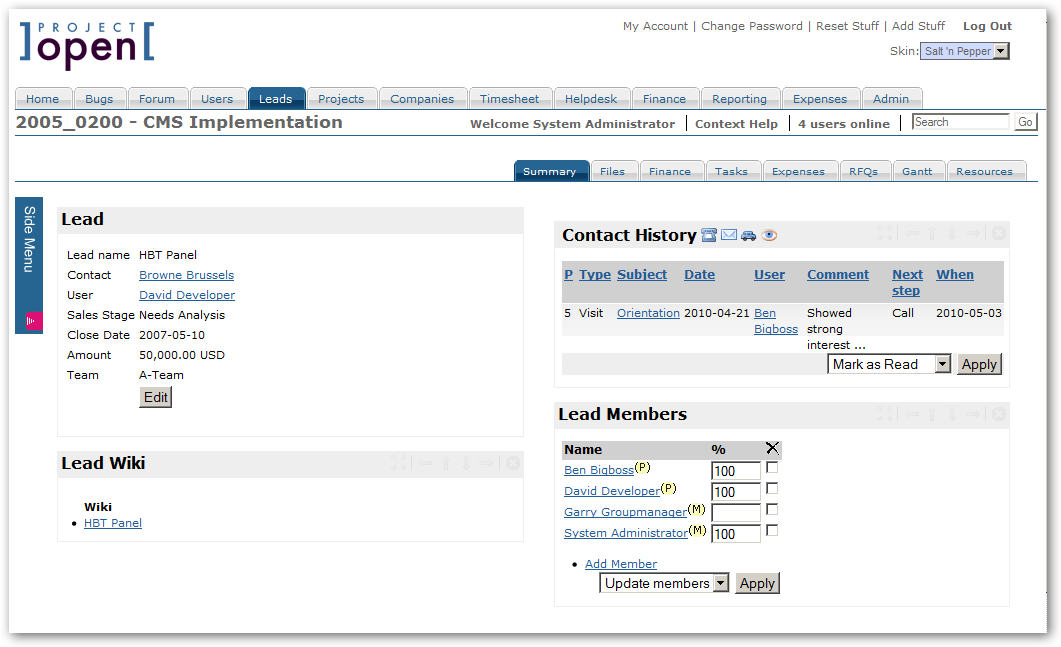
Customer Relationship Management (CRM) solutions are designed to streamline processes, improve customer interactions, and enhance sales productivity. Understanding the key features of these systems is crucial for organizations looking to maximize their customer engagement and operational efficiency.
Essential features in a CRM solution not only help in managing customer data but also enable businesses to automate their sales and marketing processes. Here are some pivotal components that every CRM should incorporate:
Contact Management
A robust CRM system must include effective contact management capabilities. This feature allows businesses to organize and manage customer information efficiently. A well-structured contact management system captures essential details such as contact numbers, email addresses, and social media profiles, ensuring that all customer interactions are tracked.
Sales Automation
Sales automation simplifies the sales process by automating repetitive tasks. This includes lead management, tracking sales pipelines, and generating sales forecasts. Leading CRM platforms such as Salesforce and HubSpot offer exceptional automation capabilities that streamline the sales cycle, allowing sales teams to focus on closing deals rather than administrative tasks.
Marketing Automation
Marketing automation features in CRM solutions enable businesses to create targeted marketing campaigns based on customer behavior and preferences. Tools like Marketo and Mailchimp, integrated with CRM systems, allow for automated email marketing, lead nurturing, and performance tracking. This not only saves time but also enhances the effectiveness of marketing efforts.
Reporting and Analytics
Comprehensive reporting and analytics tools are vital for organizations seeking to evaluate their performance and make data-driven decisions. A quality CRM should provide customizable dashboards and reports that display key metrics, such as sales growth, conversion rates, and customer satisfaction scores. Platforms like Zoho CRM offer detailed analytics, helping businesses identify trends and optimize strategies accordingly.
Customization Options
Customization options in CRM platforms allow businesses to tailor functionalities according to their specific needs and workflows. Many CRM solutions, such as Pipedrive and Microsoft Dynamics 365, provide customizable fields, modules, and interfaces. This adaptability ensures that organizations can implement the CRM in a way that aligns with their unique processes and requirements.
Integration Capabilities
Integration with other tools and systems is an indispensable feature of modern CRM solutions. The ability to connect with email providers, social media platforms, and e-commerce systems enhances data flow and improves overall efficiency. For instance, CRMs like Freshsales can integrate seamlessly with tools like Shopify, enabling businesses to manage customer interactions and sales from a centralized platform.
Mobile Access
In today’s fast-paced business environment, mobile access to CRM systems is becoming increasingly important. A mobile-friendly CRM solution enables sales and support teams to access customer information and perform tasks on the go. Applications from CRMs like Salesforce and Monday.com allow users to engage with clients and manage tasks from any location, ensuring productivity remains high regardless of where the team is based.
Effective CRM solutions integrate core functionalities that not only manage customer relationships but also drive business growth through enhanced automation and analytics.
Trends in CRM Technology
The landscape of Customer Relationship Management (CRM) technology is constantly evolving, driven by advancements in digital tools and changing customer expectations. Businesses are increasingly leveraging innovative technologies to enhance their CRM systems, aiming for improved customer engagement and operational efficiency. Understanding these trends is crucial for organizations looking to stay competitive and meet the demands of the modern marketplace.
Artificial Intelligence in CRM Systems
Artificial Intelligence (AI) is revolutionizing CRM technology by enabling systems to analyze vast amounts of data to provide insights that facilitate personalized customer experiences. AI-driven CRM solutions enhance decision-making processes by predicting customer behavior, automating repetitive tasks, and optimizing sales strategies.
The integration of AI can be illustrated through the following capabilities:
- Predictive Analytics: AI analyzes historical customer data to forecast future buying patterns, enabling businesses to tailor their marketing efforts accordingly.
- Natural Language Processing: This allows CRM systems to understand and process human language, improving customer interactions through chatbots and virtual assistants.
- Lead Scoring: AI algorithms can evaluate leads based on their interactions and engagement, helping sales teams focus on high-potential prospects.
- Personalization: By analyzing customer preferences and behavior, AI helps customize communication and offers, leading to higher conversion rates.
“AI transforms CRM from a reactive tool to a proactive partner in customer engagement.”
Role of Mobile CRM Applications, Crm all
The rise of mobile technology has propelled the adoption of mobile CRM applications, allowing users to access critical customer information and manage relationships from anywhere. This accessibility is essential in today’s fast-paced business environment, where decisions often need to be made on the go.
Mobile CRM applications offer several advantages for modern businesses:
- Real-time Access: Sales teams can update records, track interactions, and analyze data in real-time, enhancing productivity and responsiveness.
- Improved Collaboration: Mobile CRM facilitates seamless communication among team members, allowing for quick sharing of insights and updates.
- Enhanced Customer Engagement: With mobile access, employees can interact with customers immediately, providing timely responses that strengthen relationships.
- Flexibility and Convenience: The ability to work from various locations makes mobile CRM applications invaluable, especially for field sales representatives.
“Mobile CRM equips sales teams with the tools they need to close deals anytime, anywhere.”
The ongoing trends in CRM technology, particularly the impacts of AI and mobile applications, signify a shift towards more integrated, customer-centric approaches. Businesses that embrace these advancements will likely achieve higher customer satisfaction and loyalty, positioning themselves for sustained success in a competitive landscape.
FAQ Section: Crm All
What is a CRM system?
A CRM system is a set of tools designed to manage a company’s interactions with current and potential customers, helping to improve relationships and streamline processes.
How can CRM impact sales?
CRM can enhance sales by providing insights into customer behavior, enabling personalized marketing, and automating follow-up processes to close deals more effectively.
Are there different types of CRM systems?
Yes, there are various types of CRM systems including operational, analytical, and collaborative, each serving different business needs.
What metrics should I track when using CRM?
Key metrics include customer acquisition cost, customer lifetime value, conversion rates, and customer satisfaction scores to measure the effectiveness of CRM usage.
How does AI enhance CRM systems?
AI enhances CRM systems by providing predictive analytics, automating tasks, and offering personalized customer recommendations based on data analysis.
In the digital age, managing customer relationships is crucial, and tools like nocrmio simplify this process by removing unnecessary complexities. This software allows businesses to track leads efficiently, ensuring that no potential customer slips through the cracks. For manufacturers, integrating systems with mrp mes can optimize production planning, enhancing overall operational effectiveness.
When it comes to improving business processes, understanding the role of mrp mes becomes essential. This tool integrates various production components into a cohesive workflow, ensuring that resources are utilized optimally. Additionally, by employing solutions like nocrmio , businesses can enhance their customer management strategies, ultimately driving growth and efficiency.