crm hrm sets the stage for this enthralling narrative, offering readers a glimpse into a story that is rich in detail and brimming with originality from the outset. In today’s competitive landscape, understanding the synergy between Customer Relationship Management (CRM) and Human Resource Management (HRM) is crucial for businesses seeking to elevate their performance. These systems not only streamline processes but also foster meaningful relationships with customers and employees alike, paving the way for sustainable growth.
As we delve deeper, we’ll explore the core functions of CRM and HRM, the significance of integrating these systems, and the best practices for implementation. Examples of leading software solutions will illuminate the path forward, while emerging trends highlight how technology like AI and automation is reshaping the business environment.
Understanding CRM and HRM
Customer Relationship Management (CRM) and Human Resource Management (HRM) are two integral components of modern business practices that focus on enhancing organizational efficiency and fostering better relationships. CRM primarily centers around managing a company’s interactions with current and prospective customers, while HRM focuses on managing an organization’s workforce and its associated processes. Understanding these systems is crucial for achieving strategic business objectives in today’s competitive landscape.
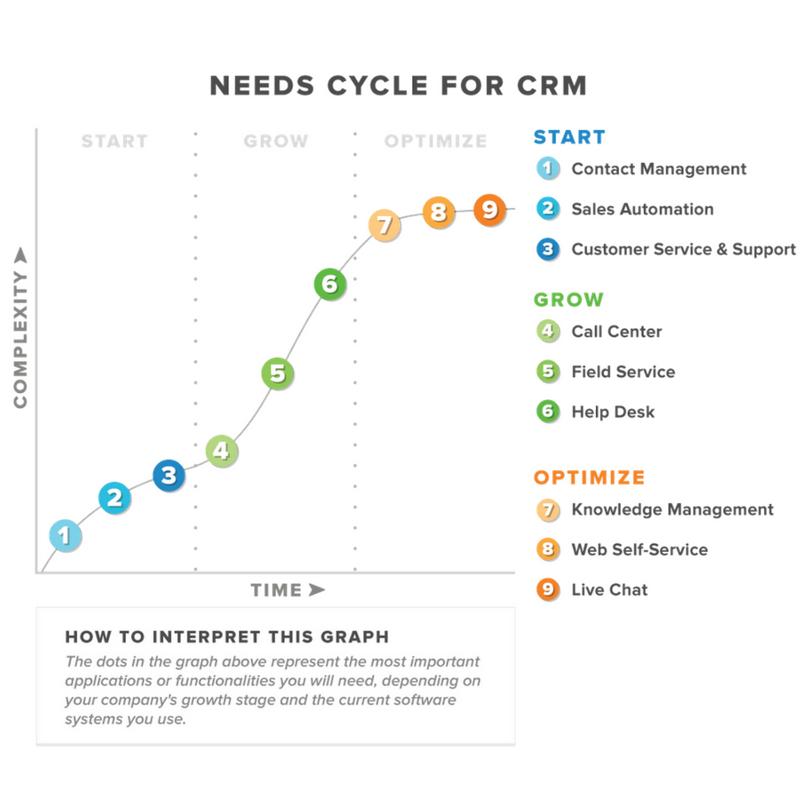
CRM encompasses various tools and strategies designed to streamline interactions with customers, improve service delivery, and boost overall sales performance. Core functions of CRM include contact management, sales management, productivity, and more. Conversely, HRM is concerned with recruitment, training, performance management, and employee relations. Both systems contribute significantly to business success, providing valuable insights that can lead to improved customer satisfaction and employee engagement.
Core Functions of CRM and HRM
The core functions of CRM and HRM play vital roles in enhancing organizational effectiveness. Here’s a detailed look at the functions of each system:
CRM Functions:
- Contact Management: Organizes customer information for easy access and better engagement.
- Lead Management: Helps identify and nurture potential sales leads.
- Sales Automation: Streamlines the sales process to enhance efficiency.
- Customer Service Management: Manages service requests and helps maintain customer satisfaction.
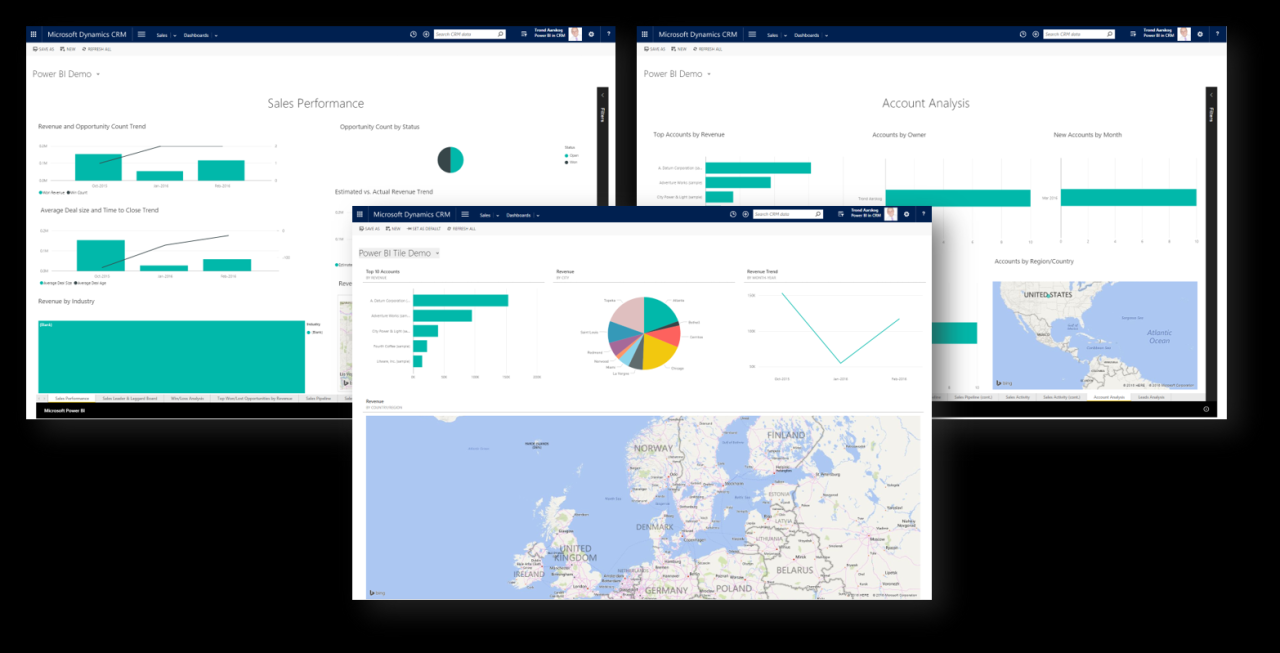
- Analytics and Reporting: Provides insights into customer behavior and sales trends.
HRM Functions:
- Recruitment and Staffing: Facilitates the hiring process to attract top talent.
- Training and Development: Focuses on employee growth and skill enhancement.
- Performance Management: Evaluates employee performance and sets objectives.
- Compensation and Benefits: Manages employee remuneration and benefits packages.
- Employee Relations: Ensures healthy workplace relationships and addresses grievances.
Significance of CRM and HRM in Today’s Business Environment
In the fast-paced business environment, CRM and HRM are essential for maintaining competitive advantage. Their significance can be highlighted through several factors:
– Customer Centricity: CRM systems help businesses focus on customer needs, increasing satisfaction and loyalty. By understanding customer behavior, companies can tailor their services and products accordingly.
– Employee Engagement: HRM practices ensure that employees are motivated and involved in their workplace. A well-managed workforce leads to higher productivity and lower turnover rates.
– Data-Driven Decisions: Both CRM and HRM systems provide valuable data analytics that inform strategic decision-making. Businesses can leverage this information to enhance operational efficiency and target market opportunities effectively.
Examples of Popular CRM and HRM Software Solutions
Several software solutions have emerged as leaders in the CRM and HRM domains, each with unique features that cater to diverse business needs. Here’s a look at some widely recognized options:
CRM Software Solutions:
- Salesforce: Known for its comprehensive CRM capabilities, Salesforce offers tools for sales automation, customer support, and marketing automation.
- HubSpot CRM: A user-friendly platform that integrates marketing and sales efforts, providing tools for lead tracking and customer engagement.
- Zoho CRM: Offers a suite of features including sales automation, contact management, and workflow automation that can be customized to fit various business models.
HRM Software Solutions:
- Workday: A robust platform providing capabilities for human capital management, payroll, and talent management, designed for larger organizations.
- BambooHR: An intuitive HR software tailored for small and medium-sized businesses, focusing on employee self-service, performance management, and reporting.
- ADP Workforce Now: Combines HR, payroll, and talent management, offering a comprehensive solution for managing the entire employee lifecycle.
“CRM and HRM are not just software applications; they are strategic imperatives that drive business success through improved relationships and operational excellence.”
Integration of CRM and HRM: Crm Hrm
Integrating Customer Relationship Management (CRM) and Human Resource Management (HRM) systems presents a strategic advantage for businesses aiming to enhance performance. By aligning employee management with customer interactions, organizations can foster improved relationships and streamline operations.
The integration of CRM and HRM systems can lead to a synergy where both departments benefit from shared data and insights. When these systems are connected, it enables a holistic view of both customer and employee experiences. For instance, HR can leverage customer feedback collected through CRM to enhance employee training programs. Similarly, CRM can utilize HR data to personalize customer interactions based on employee insights and expertise.
Benefits of Integrated CRM and HRM Systems, Crm hrm
Utilizing integrated CRM and HRM systems offers numerous advantages that enhance both customer and employee relationships. Below are key benefits that organizations can realize from this integration:
- Improved Data Accuracy: Integrated systems minimize data discrepancies by ensuring that information is updated in real-time across both platforms.
- Enhanced Employee Engagement: Employees have access to customer data, allowing them to tailor their approach and improve service delivery.
- Streamlined Communication: Integrated systems foster better communication between departments, breaking down silos and ensuring everyone is aligned with organizational goals.
- Informed Decision-Making: Access to combined insights allows management to make more informed decisions that benefit both employees and customers.
- Increased Efficiency: Automating processes across HR and CRM reduces redundancy and frees up time for strategic initiatives.
Comparison of Integrated Solutions versus Standalone Systems
To better understand the advantages and disadvantages of integrated CRM and HRM systems, a comparison table is provided below. This table illustrates the distinct characteristics of integrated systems versus standalone solutions.
| Feature | Integrated CRM and HRM Systems | Standalone CRM or HRM Systems |
|---|---|---|
| Data Sharing | Seamless sharing of information between customer and employee databases. | Limited data sharing, often requiring manual data entry and updates. |
| User Experience | Unified interface simplifies user interaction and training. | Separate interfaces may require users to adapt to multiple systems. |
| Cost Efficiency | Potential for reduced operational costs through automation and efficiency. | Higher costs due to maintenance of multiple systems and potential redundancy. |
| Scalability | More adaptable to changing business needs with scalable solutions. | May face challenges scaling due to disparate systems and integration issues. |
| Reporting | Comprehensive reports can be generated across departments for strategic insights. | Limited reporting capabilities, often confined to one aspect of the business. |
“The integration of CRM and HRM systems creates a powerful ecosystem that enhances employee satisfaction and customer loyalty, ultimately driving business success.”
Best Practices for Implementing CRM and HRM
The successful implementation of Customer Relationship Management (CRM) and Human Resource Management (HRM) systems is essential for enhancing organizational efficiency, improving customer satisfaction, and fostering a productive work environment. These systems, when aligned properly, can lead to streamlined processes and better decision-making. Understanding best practices is crucial for ensuring that the integration of these systems meets the needs of the organization.
Implementing CRM and HRM systems involves careful planning, engagement with stakeholders, and ongoing evaluation. Organizations often face common challenges such as resistance to change, data integration issues, and inadequate training. Addressing these challenges is vital for a smooth transition to the new systems.
Strategies for Successful Implementation
To effectively implement CRM and HRM systems, organizations should adopt the following strategies:
1. Define Clear Objectives: Establish specific goals for what the organization aims to achieve with the CRM and HRM systems. This helps in aligning efforts and measuring success.
2. Engage Stakeholders Early: Involve key stakeholders from various departments during the planning phase to gain insights and foster buy-in, which can minimize resistance to change.
3. Invest in Training: Provide comprehensive training programs for users to ensure they are comfortable and proficient with the new systems, thereby improving overall adoption rates.
4. Ensure Data Quality: Clean and organize existing data before migration to avoid issues with data integrity in the new systems.
5. Choose the Right Technology: Evaluate and select CRM and HRM solutions that fit the specific needs of the organization, considering scalability and user-friendliness.
Common Challenges and Solutions
Several challenges may arise during the implementation of CRM and HRM systems. Recognizing these challenges and preparing solutions can significantly enhance the implementation experience:
– Resistance to Change: Employees may be hesitant to adopt new systems. To counter this, effective communication about the benefits and providing support during the transition are crucial.
– Data Integration Issues: Integrating data from legacy systems can be complex. It is beneficial to employ skilled IT professionals to facilitate a seamless integration process and ensure compatibility.
– Insufficient User Training: Lack of understanding of the new systems can hinder performance. Comprehensive training sessions, both before and after launch, can alleviate this issue.
Implementation Checklist
When planning to adopt new CRM and HRM solutions, organizations can follow this checklist to ensure a structured approach:
– Assess Current Systems: Evaluate existing processes and technologies to identify areas that need improvement.
– Set Clear Goals: Document the objectives you aim to achieve with the new systems.
– Identify Key Stakeholders: List individuals who will be impacted by the implementation and involve them in the planning process.
– Select Appropriate Technology: Research and choose systems that best fit organizational needs and workflows.
– Develop a Training Plan: Create a schedule for training sessions and materials to support users.
– Plan for Data Migration: Establish a strategy for transferring existing data to the new systems, ensuring data quality and integrity.
– Create a Rollout Timeline: Define a timeline for phased implementation to minimize disruption to daily operations.
– Monitor and Evaluate Performance: After implementation, regularly assess system performance against initial goals and make adjustments as necessary.
Implementing CRM and HRM systems with a structured approach ensures that organizations can maximize the benefits these systems offer.
Future Trends in CRM and HRM
The landscapes of Customer Relationship Management (CRM) and Human Resource Management (HRM) are undergoing significant transformations fueled by technological advancements and evolving business needs. As organizations strive to enhance their customer and employee interactions, understanding these future trends is crucial for sustained success.
Emerging technologies are reshaping how businesses engage with customers and manage their workforce. Traditional practices are giving way to innovative approaches that prioritize personalization, efficiency, and data utilization. This shift not only improves operational efficiency but also enhances the overall experience for both customers and employees, paving the way for more dynamic and responsive organizations.
Emerging Technologies in CRM and HRM
Several technologies are at the forefront of transforming CRM and HRM practices. Recognizing their potential impact is essential for businesses looking to remain competitive. The following technologies are key influencers in the future landscape:
- Artificial Intelligence (AI): AI is revolutionizing CRM and HRM by allowing for predictive analytics, personalized customer interactions, and smart recruitment processes. AI-driven chatbots enhance customer service efficiency by providing real-time assistance and reducing response times.
- Automation: Automation tools streamline repetitive tasks in both CRM and HRM, freeing up valuable time for professionals to focus on strategic initiatives. Automated onboarding processes in HRM and automated follow-ups in CRM are examples of this trend.
- Cloud Computing: Cloud-based CRM and HRM systems offer flexibility, scalability, and accessibility from anywhere. This trend facilitates real-time data sharing and collaboration, essential for remote work environments.
- Data Analytics: Advanced data analytics enable organizations to gain actionable insights from customer and employee data. Businesses can identify trends, measure engagement, and make informed decisions that enhance retention and satisfaction.
- Mobile Technology: The rise of mobile applications in CRM and HRM allows employees and customers to interact with organizational systems on-the-go, increasing engagement and responsiveness.
- Social Media Integration: Leveraging social media channels within CRM strategies allows for better customer understanding and engagement. Simultaneously, HRM can utilize social platforms for talent acquisition and employer branding.
The integration of these technologies not only streamlines operations but also fosters deeper connections between organizations and their stakeholders. As businesses adapt to these trends, the focus will shift towards creating experiences that are not only effective but also engaging and meaningful.
Helpful Answers
What is the difference between CRM and HRM?
CRM focuses on managing customer relationships and sales, while HRM deals with employee management and organizational workforce.
Can CRM and HRM systems be integrated?
Yes, integrating CRM and HRM systems allows for better data sharing and enhances overall business performance.
What are some popular CRM and HRM software solutions?
Popular CRM software includes Salesforce and HubSpot, while HRM solutions include Workday and BambooHR.
What challenges might arise during implementation?
Common challenges include resistance to change, data migration issues, and ensuring staff training and buy-in.
What future trends should businesses watch in CRM and HRM?
Businesses should focus on trends like AI integration, automation, personalized customer experiences, and remote workforce management.
In today’s competitive landscape, utilizing a robust crm e system can significantly streamline your processes. By integrating customer relationship management into your operations, businesses can enhance efficiency and foster better client interactions. Embracing this technology is crucial to staying ahead and ensuring that customer satisfaction remains a top priority.
For businesses looking to elevate their customer service experience, investing in a comprehensive crm callcenter solution is essential. This tool not only manages inbound and outbound communications seamlessly but also provides valuable insights into customer behavior, enabling teams to respond effectively and improve overall service quality. A well-implemented call center CRM can transform how you engage with clients.