crm google sets the stage for this enthralling narrative, offering readers a glimpse into a story that is rich in detail and brimming with originality from the outset. As businesses strive for efficiency in today’s fast-paced environment, CRM Google emerges as a powerful tool, connecting seamlessly with other Google services to enhance customer relationship management. Its array of features not only caters to organizations of all sizes but also unlocks opportunities for growth and improved sales management.
Overview of CRM Google

CRM Google is a robust customer relationship management platform that integrates seamlessly with the larger Google ecosystem, providing businesses with comprehensive tools to manage their customer interactions and relationships effectively. This platform is designed to enhance productivity, streamline workflows, and foster better communication between teams and clients.
One of the standout features of CRM Google is its user-friendly interface, which makes it accessible for users of all technical skill levels. It includes functionalities such as contact management, sales tracking, automated marketing campaigns, and reporting analytics. These tools allow businesses to monitor their sales pipeline, manage customer data efficiently, and create personalized marketing strategies that drive engagement.
Main Features of CRM Google
CRM Google offers a variety of features that cater to the diverse needs of businesses. These include:
- Contact Management: Users can organize and manage customer information, allowing for easy access and updates.
- Sales Tracking: The platform enables businesses to track sales activities, helping teams stay on top of leads and opportunities.
- Automated Notifications: Automated reminders and notifications ensure that no customer interaction is overlooked.
- Reporting and Analytics: Built-in reporting tools provide insights into sales trends and customer behavior, aiding strategic decision-making.
- Customizable Dashboards: Users can personalize their dashboards to focus on the metrics that matter most to their business.
Integration with Other Google Services
The true power of CRM Google lies in its seamless integration with other Google services, creating a cohesive ecosystem that enhances operational efficiency. Integration occurs across multiple platforms, such as:
- Google Workspace: Syncing with Google Calendar, Gmail, and Google Drive improves collaboration and communication.
- Google Analytics: Businesses can track and analyze their website performance and customer interactions together.
- Google Ads: Direct integration allows for streamlined ad campaigns based on customer data and sales analytics.
- Google Sheets: Users can export and analyze CRM data in Google Sheets for deeper insights.
Benefits for Businesses of Different Sizes
CRM Google is designed to cater to businesses of all sizes, from startups to large enterprises. The benefits of using this CRM system include:
- Scalability: As businesses grow, CRM Google can scale with them, accommodating increased data and user needs.
- Cost-Efficiency: The platform offers various pricing tiers, making it accessible to small businesses with budget constraints.
- Enhanced Collaboration: Integrated tools foster teamwork, allowing teams to work together more effectively regardless of their location.
- Improved Customer Insights: Data-driven decision-making is facilitated by detailed analytics, helping businesses understand customer needs better.
Setting Up CRM Google
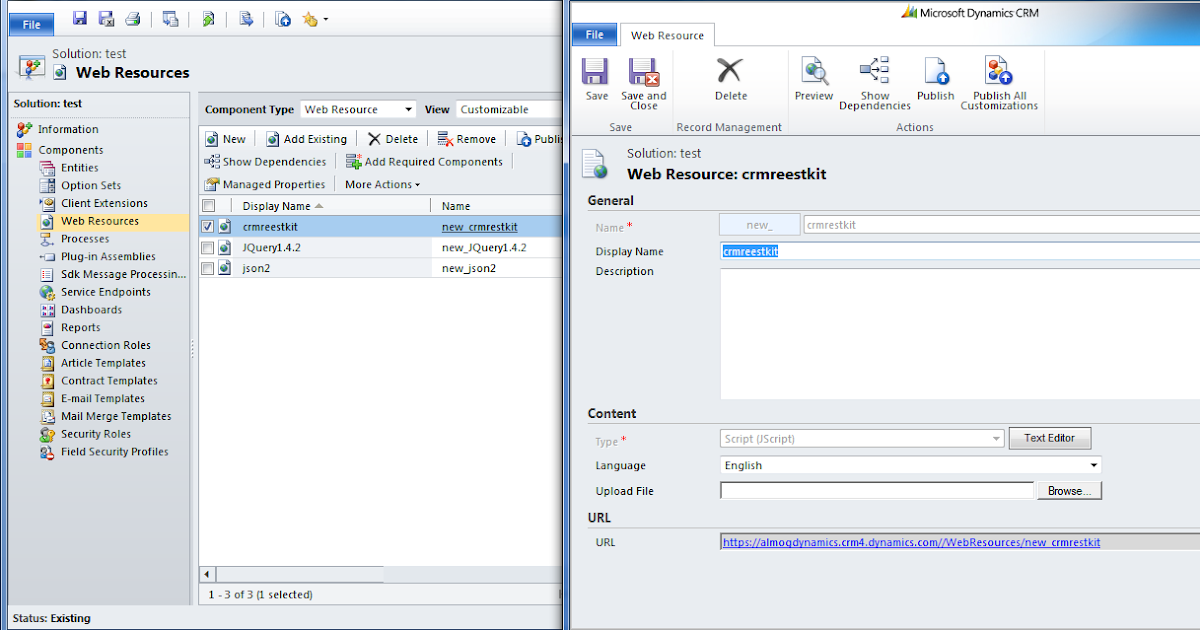
The process of setting up CRM Google is essential for organizations aiming to streamline their customer relationship management. This guide provides a structured approach to getting started with CRM Google, detailing the configurations and customizations available, as well as the best practices for data import and migration.
Step-by-Step Guide for Setup
Establishing CRM Google requires a systematic approach to ensure all necessary features are configured to meet organizational needs. Below are the key steps to successfully set up CRM Google:
- Create a Google Workspace account: Begin by registering for a Google Workspace account, which will serve as the foundation for your CRM system.
- Access CRM Google: Once your account is set up, navigate to the Google CRM application through the Google Workspace dashboard.
- Invite team members: Add users to your CRM by sending invitations via email, giving them access according to their roles.
- Configure settings: Adjust the settings to align with your organization’s requirements, including user permissions, data sharing, and notifications.
- Customize fields: Tailor the CRM fields to capture specific data relevant to your business processes by adding custom fields or modifying existing ones.
- Integrate third-party apps: Connect other tools your organization uses, such as email marketing platforms or project management software, to enhance functionality.
Configurations and Customizations
CRM Google offers a range of configurations and customizations that make it adaptable to different business needs. These features allow organizations to develop a CRM experience tailored to their specific operations.
The following configurations can be implemented:
- Custom objects: Create specialized objects that reflect unique business processes, allowing for more precise data management.
- User roles and permissions: Set specific roles for team members, controlling access to sensitive information and functions within the CRM.
- Dashboard personalization: Design dashboards that display key metrics and KPIs relevant to your organization, enhancing data visibility and decision-making.
- Automation rules: Establish workflow automations to streamline repetitive tasks, such as lead assignments and follow-up reminders.
Best Practices for Data Import and Migration
Efficient data import and migration are critical steps in successfully implementing CRM Google. Adhering to certain best practices will help minimize errors and ensure a smooth transition.
Consider the following practices:
- Data cleaning: Before importing, review and clean your data to eliminate duplicates and outdated information, ensuring only relevant data is migrated.
- Use import templates: Utilize Google’s provided import templates to organize your data appropriately, making the migration process more straightforward.
- Test migration: Conduct a test import with a small dataset to identify potential issues before executing a full migration.
- Backup data: Always create a backup of existing data before beginning the migration process, safeguarding against accidental loss.
“Implementing CRM Google effectively requires thoughtful planning and execution to enhance customer relationships and improve overall productivity.”
Utilizing CRM Google for Sales Management
Managing sales effectively is crucial for any business aiming for growth and sustainability. CRM Google offers a suite of powerful tools that can enhance sales management through organized tracking, analysis, and optimization of sales processes. This platform empowers sales teams to efficiently handle leads, streamline their pipelines, and derive actionable insights from data, all of which are vital for making informed decisions and driving sales performance.
Tracking and Managing Sales Leads, Crm google
Implementing a systematic approach to tracking and managing sales leads is essential for maintaining a robust sales pipeline. CRM Google provides features that allow sales teams to capture, categorize, and monitor leads from inception to conversion. Here’s how this can be effectively done:
- Lead Capture: Utilize Google Forms to design lead capture forms that can be embedded on websites or shared via social media. This information flows directly into the CRM for immediate follow-up.
- Lead Categorization: Use labels and tags within CRM Google to categorize leads based on various criteria such as industry, location, or potential deal size. This segmentation aids in targeted marketing efforts.
- Automated Follow-Ups: Set up automated reminders and follow-up emails through Google Calendar and Gmail integration to ensure timely communication with leads.
Optimizing Sales Pipelines
The sales pipeline is a critical framework that Artikels the journey of leads from prospecting to closing. To optimize this process through CRM Google, consider the following strategies:
- Visual Pipeline Management: Leverage the Kanban view in CRM Google to visually track each stage of the sales process. This allows for quick identification of bottlenecks and the status of each lead.
- Regular Review Meetings: Schedule regular team meetings using Google Meet to review pipeline status and discuss strategies for moving leads through various stages effectively.
- Integrate Analytics Tools: Use Google Analytics to connect with CRM data, providing insights into how different marketing efforts affect lead movement through the pipeline.
Analyzing Sales Data and Creating Reports
Data analysis in CRM Google is vital for understanding sales performance and making informed adjustments. By utilizing its reporting capabilities, sales teams can generate comprehensive reports that reveal trends and opportunities. Key aspects include:
- Customizable Reports: Create tailored reports that focus on specific metrics such as lead conversion rates, average deal size, and sales cycle length. Use Google Sheets for advanced data manipulation.
- Dashboard Visualization: Set up interactive dashboards that display key performance indicators (KPIs) in real-time, enabling quick assessments of team performance.
- Data Export Options: Export data to various formats for further analysis or sharing with stakeholders, ensuring transparency and collaborative decision-making.
“Data is not just a metric; it is a key to unlock the potential of your sales strategy.”
Enhancing Customer Relationships with CRM Google
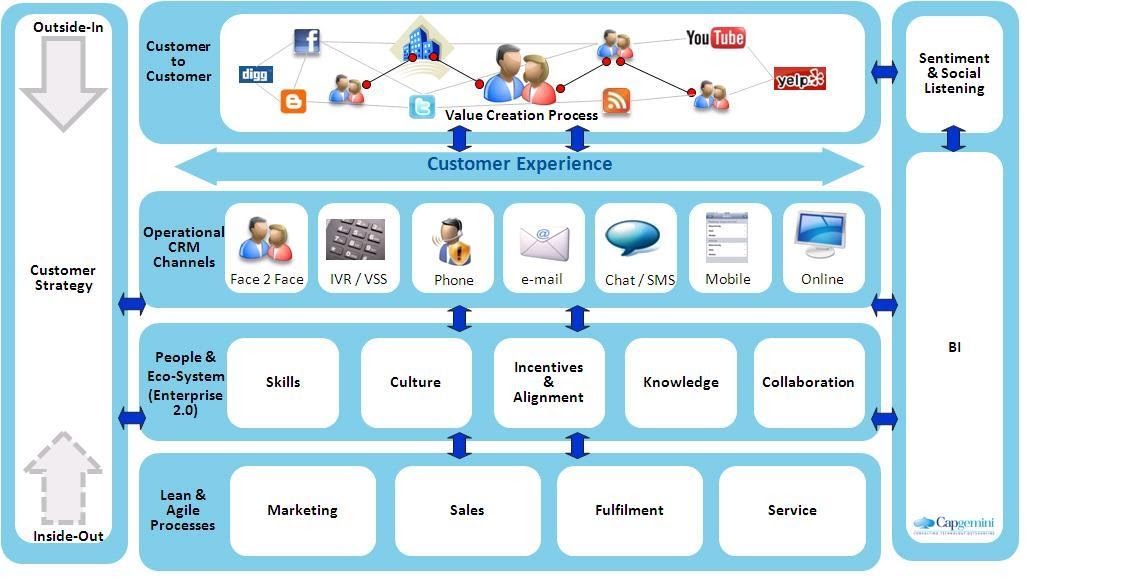
Creating strong customer relationships is essential for any business aiming for long-term success. CRM Google offers a comprehensive suite of tools that can help organizations to not only manage customer interactions effectively but also enhance engagement through personalized communication and automated processes. This section delves into practical techniques for improving customer relationships using CRM Google’s capabilities.
Personalized Customer Engagement Techniques
Personalization is key to customer engagement, and CRM Google provides various features that enable businesses to tailor interactions based on customer data. By leveraging customer insights, organizations can create targeted communication that resonates with individual preferences and behaviors.
For instance, businesses can segment their customer database based on demographics, purchase history, and engagement level. This allows for personalized marketing campaigns that speak directly to the consumer’s interests. Additionally, CRM Google’s integration with Google Ads facilitates the creation of tailored advertisements that further enhance engagement.
“Personalized marketing can increase campaign effectiveness by up to 300%.”
Moreover, businesses can use automated email campaigns to nurture leads by sending personalized content relevant to each customer’s journey. For example, a customer who has shown interest in a specific product category can receive tailored offers and information that encourage further exploration.
Automating Customer Follow-Up Processes
Automating follow-up processes is crucial for maintaining engagement without overwhelming team members. CRM Google includes several automation features that streamline customer communication and ensure timely follow-ups.
Using workflow automation, businesses can set up reminders for follow-ups based on specific triggers, such as after a purchase or customer inquiry. This ensures that no customer is left unattended and that each interaction is timely and relevant.
“Automated follow-ups can boost response rates by up to 50%.”
Additionally, automated responses for common inquiries can be implemented, allowing customers to receive immediate assistance. This not only reduces wait times but also enhances customer satisfaction, as clients appreciate quick responses to their questions.
Tools for Improving Customer Support
Several tools within CRM Google serve to enhance customer support efforts. These tools facilitate better communication, track customer interactions, and provide valuable insights into customer needs.
Begin by utilizing customer support features that include ticketing systems for managing inquiries efficiently. This organized approach allows support teams to prioritize issues based on urgency and impact, ensuring that critical matters are resolved swiftly.
Here is a list of essential tools within CRM Google that enhance customer support:
- Google Chat: Enables real-time communication between support teams and customers for instant query resolution.
- Google Meet: Facilitates video conferencing when more complex issues require face-to-face interaction.
- Google Forms: Allows customers to submit feedback easily, which can help identify areas for improvement.
- Google Sheets: Provides a platform for tracking customer interactions and analyzing data to improve service quality.
These tools help create a responsive support environment where customers feel valued and understood, ultimately leading to improved loyalty and satisfaction.
Essential FAQs
What is CRM Google?
CRM Google is a customer relationship management tool that integrates with various Google services to help businesses manage their interactions with customers.
Can small businesses use CRM Google?
Yes, CRM Google is designed to accommodate businesses of all sizes, including small enterprises, by offering scalable solutions.
How does CRM Google integrate with Google Workspace?
CRM Google seamlessly integrates with Google Workspace apps like Gmail, Calendar, and Drive, enhancing collaboration and data management.
Is CRM Google customizable?
Yes, CRM Google offers various customization options to tailor the system to meet specific business needs and workflows.
What types of reports can be generated in CRM Google?
CRM Google allows users to generate sales performance reports, customer interaction summaries, and more for data-driven decision-making.
For businesses looking to streamline their operations, software sage x3 offers a comprehensive solution that integrates various business processes. This software helps in managing everything from finance to inventory, ensuring that companies can operate more efficiently without the need for multiple disparate systems.
Implementing mrp mes can significantly enhance production planning and scheduling. By utilizing this system, manufacturers can optimize their resource allocation, leading to reduced downtime and increased productivity across their operations. This integration not only simplifies processes but also empowers companies to meet customer demands effectively.