Delving into cad erp, this introduction immerses readers in a unique and compelling narrative that showcases the transformative power of integrating computer-aided design with enterprise resource planning. As manufacturing evolves, the synergy between CAD and ERP systems becomes increasingly significant, driving efficiency and innovation.
The integration of CAD and ERP systems represents a major leap in how businesses manage design and production workflows. This seamless collaboration not only streamlines processes but also enhances communication between teams, ultimately leading to faster and more efficient product development.
Introduction to CAD ERP Systems
In the rapidly evolving landscape of manufacturing, the integration of Computer-Aided Design (CAD) and Enterprise Resource Planning (ERP) systems has emerged as a cornerstone for optimizing operations and enhancing productivity. CAD ERP systems stand at the intersection of design and manufacturing processes, enabling organizations to streamline workflows and ensure seamless collaboration between engineering and production teams.
The evolution of CAD and ERP integration traces back to the initial separate implementations of CAD for design tasks and ERP for resource management. Over the years, the demand for more cohesive systems led to the convergence of these technologies. This integration facilitates real-time data sharing, ensuring that design specifications are directly linked to production planning and inventory management. The result is a unified approach that enhances operational efficiency and reduces the risk of errors, thereby driving competitive advantage.
Key Features of CAD ERP Systems
Understanding the distinguishing characteristics of CAD ERP systems is essential for manufacturers looking to leverage technology effectively. These systems are designed to provide unique functionalities that traditional ERP systems typically do not offer. Key features include:
- Integrated Design and Manufacturing Workflows: CAD ERP systems allow for the synchronization of design changes with production schedules, ensuring that any modifications in the design are reflected in the manufacturing process immediately.
- Real-Time Collaboration: With real-time data access, teams can collaborate more effectively, sharing insights and updates instantaneously, which is crucial for projects with tight deadlines.
- Enhanced Product Lifecycle Management: These systems incorporate tools for managing the entire lifecycle of a product, from initial design to manufacturing, distribution, and end-of-life considerations.
- Advanced Data Analytics: CAD ERP systems provide advanced analytical tools that help organizations track performance metrics, analyze production efficiency, and predict future trends based on historical data.
- Customizable Reporting: Users can generate tailored reports that cater to specific needs, providing insights into both design and manufacturing performance, leading to informed decision-making.
“The integration of CAD and ERP systems not only streamlines operations but also reduces time-to-market and enhances product quality.”
The synergy between design and resource management is a game-changer for modern manufacturing. Companies leveraging CAD ERP systems can expect to see substantial improvements in both efficiency and productivity, setting a foundation for future innovation.
Benefits of Integrating CAD with ERP: Cad Erp
Integrating CAD (Computer-Aided Design) with ERP (Enterprise Resource Planning) systems offers a multitude of advantages for businesses looking to streamline their operations. This synergy not only enhances efficiency but also fosters a collaborative environment between design and production teams. By connecting these two critical functions, organizations can maximize their resources and improve overall productivity.
The integration of CAD and ERP systems allows for seamless data flow between design and manufacturing processes. This interconnectedness leads to better alignment of project goals and schedules, ultimately driving improved outcomes. Businesses can expect to see significant enhancements in collaboration, as teams can share insights and updates in real time, reducing errors and redundancies that often arise from disconnected systems.
Enhanced Collaboration Between Design and Production Teams
Effective collaboration between design and production is vital for the success of any project. Integrating CAD with ERP systems facilitates this cooperation by providing a centralized platform where both teams can access and modify project data simultaneously. This shared access helps to eliminate communication barriers, ensuring that all stakeholders are on the same page.
Key advantages of enhanced collaboration include:
- Real-time Updates: Changes made in the CAD system are immediately reflected in the ERP system, allowing design adjustments to be efficiently communicated to production teams.
- Increased Accuracy: With integrated systems, the likelihood of miscommunication or errors due to outdated information is significantly reduced. This leads to fewer revisions and reworks during the production process.
- Streamlined Workflow: Integrated CAD and ERP systems optimize workflows by automating routine tasks, allowing teams to focus on high-value activities and creative problem-solving.
- Improved Project Visibility: Stakeholders can easily track project progress and identify potential bottlenecks in real time, enabling proactive decision-making.
The collaboration fostered by CAD-ERP integration not only improves team dynamics but also enhances the overall product development process, making it more agile and responsive to market demands.
Impact of CAD ERP Integration on Reducing Time-to-Market
The speed at which a product can be developed and launched is critical in today’s competitive landscape. Integrating CAD with ERP systems can significantly reduce time-to-market for new products, giving businesses a strategic edge. The ability to quickly iterate designs and align them with production capabilities allows companies to respond faster to market opportunities.
Several factors contribute to this reduction in time-to-market:
- Accelerated Design Processes: Integration allows for rapid prototyping and testing, as design changes can be quickly implemented and assessed within the context of production requirements.
- Efficient Resource Allocation: With visibility into both design and production schedules, teams can better allocate resources, ensuring that critical tasks are completed on time without unnecessary delays.
- Faster Decision-Making: Real-time data access enables teams to make informed decisions quickly, reducing the time spent on approvals and revisions.
- Shorter Lead Times: Integrative functionality reduces lead times by ensuring that materials and components are readily available when needed, thus avoiding production holdups.
By leveraging the advantages of CAD-ERP integration, businesses can significantly enhance their operational efficiency, leading to a faster response to customer needs and a stronger competitive position in the market.
Implementation Strategies for CAD ERP Systems
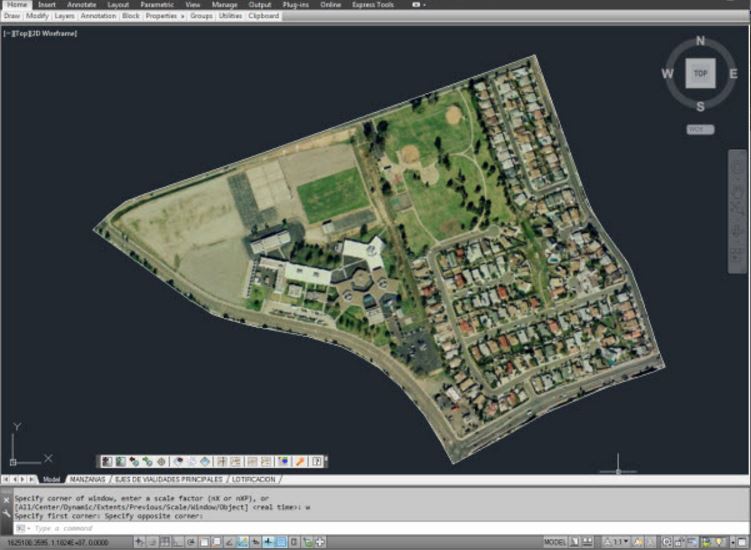
Implementing a CAD ERP system is a significant step that can greatly enhance operational efficiency within an organization. A well-planned implementation process ensures that the integration of computer-aided design (CAD) with enterprise resource planning (ERP) systems is seamless and yields the desired benefits. The following guide Artikels effective strategies for successfully implementing a CAD ERP system, addressing common challenges and providing best practices for training employees.
Step-by-Step Guide for Implementation
The implementation of a CAD ERP system requires a structured approach to ensure that all aspects are covered efficiently. Below is a step-by-step guide to facilitate this process.
- Define Business Goals: Clearly articulate the objectives that the CAD ERP system should achieve. This includes understanding how it aligns with overall business strategies.
- Engage Stakeholders: Involve key stakeholders from various departments early in the process to gather insights and ensure buy-in.
- Assess Current Systems: Analyze existing systems and processes to identify gaps and areas of improvement that the CAD ERP will address.
- Select the Right Software: Choose a CAD ERP solution that fits the specific needs of the organization, considering scalability and compatibility with existing tools.
- Develop an Implementation Plan: Create a detailed plan that Artikels timelines, resources required, and responsibilities to track progress effectively.
- Data Migration: Carefully migrate existing data to the new system, ensuring data integrity and accuracy during the transition.
- Custom Configuration: Customize the CAD ERP system based on the organization’s workflows and requirements to optimize functionality.
- Conduct Testing: Perform rigorous testing to identify issues and make necessary adjustments before full deployment.
- Launch the System: Implement the system across the organization, ensuring all teams are prepared for the transition.
- Monitor and Optimize: Continuously monitor the system performance and user feedback to make ongoing improvements and adjustments.
Challenges and Solutions during Implementation, Cad erp
Implementing a CAD ERP system often presents challenges that can hinder the process if not addressed properly. Understanding these challenges and having effective solutions is crucial.
“Anticipating challenges during implementation is as important as the implementation itself.”
Common challenges include:
- Resistance to Change: Employees may be hesitant to adopt new technologies. Address this by involving them in the process and demonstrating the benefits.
- Inadequate Training: Insufficient training can lead to underutilization of the system. Ensure comprehensive training programs are in place.
- Data Quality Issues: Poor data quality can lead to errors. Establish data governance protocols before migration.
- Integration Problems: Integrating with existing systems can be complex. Work with IT experts to ensure seamless integration.
Best Practices for Employee Training
Effective training is essential for maximizing the benefits of a CAD ERP system. The following best practices can help in training employees efficiently.
“Training is not just about learning the system; it’s about adapting to a new way of thinking and working.”
To ensure effective training, consider the following practices:
- Hands-On Workshops: Conduct interactive workshops where employees can practice using the system in real-world scenarios.
- Tailored Training: Customize training sessions based on the specific roles and responsibilities of employees to make it relevant.
- Ongoing Support: Provide continuous support through help desks or mentoring programs to assist employees as they adapt.
- Feedback Mechanism: Establish a system for employees to provide feedback on the training process and system usability to identify areas for improvement.
Future Trends in CAD ERP Technology
The evolution of CAD ERP systems is increasingly shaped by emerging technologies that promise to enhance functionality, increase efficiency, and streamline processes. As industries continue to adapt to new technological landscapes, the future of CAD ERP systems will likely reflect these shifts, integrating advanced tools that can better serve the needs of manufacturing and design teams. Understanding these trends is essential for organizations looking to maintain a competitive edge.
Artificial Intelligence (AI) and Machine Learning (ML) are at the forefront of this technological revolution, offering innovative solutions that can transform how CAD ERP systems operate. AI and ML can analyze vast amounts of data to identify patterns, predict trends, and automate tasks, leading to more informed decision-making and optimized workflows.
Integration of Artificial Intelligence and Machine Learning
The application of AI and ML in CAD ERP systems is set to revolutionize how organizations approach design and production. These technologies can significantly enhance various functionalities within CAD ERP systems in several ways:
- Predictive Analytics: AI-driven predictive analytics can forecast project timelines and resource requirements by analyzing historical data. This allows for better planning and resource allocation, reducing delays and costs.
- Automated Design Optimization: Machine learning algorithms can analyze design parameters to automatically suggest optimizations, improving efficiency and reducing material waste.
- Enhanced Collaboration: AI tools can facilitate real-time collaboration across teams by providing insights and recommendations based on ongoing projects, helping to ensure that everyone is aligned and informed.
- Intelligent Data Management: AI can automate data entry and management tasks, minimizing human error and freeing up personnel to focus on more strategic initiatives.
The implications of integrating AI and ML into CAD ERP systems extend beyond individual functionalities. These advancements can lead to a more adaptive and responsive organizational structure, where data-driven insights empower teams to make faster, more effective decisions.
Potential Industry Shifts and Implications
As CAD ERP technologies continue to evolve, certain industry shifts are likely to occur, fundamentally reshaping how businesses approach their design and manufacturing processes. The rise of Industry 4.0, characterized by the interconnectivity of systems and the Internet of Things (IoT), is influencing the direction of CAD ERP systems.
- Increased Automation: The trend towards automation in manufacturing and design processes necessitates CAD ERP systems to incorporate more automated features, simplifying workflows and minimizing manual intervention.
- Cloud-based Solutions: The migration to cloud computing is facilitating greater collaboration and accessibility, allowing teams to work from different locations while maintaining seamless integration with CAD ERP systems.
- Customization and Scalability: As businesses evolve, the need for customizable and scalable solutions will drive the demand for CAD ERP systems that can adapt to varying project sizes and requirements.
- Sustainability Focus: Organizations are increasingly prioritizing sustainability in their operations. CAD ERP systems must evolve to incorporate features that support sustainable practices, such as waste reduction and energy-efficient processes.
As these trends unfold, organizations that embrace emerging technologies and adapt their CAD ERP systems accordingly will position themselves for success in an ever-changing industrial landscape.
Q&A
What is cad erp?
Cad erp refers to the integration of computer-aided design with enterprise resource planning systems, enabling seamless management of design and production processes.
What industries benefit from cad erp?
Industries such as manufacturing, automotive, aerospace, and electronics greatly benefit from cad erp due to the need for precision and efficiency in product development.
How does cad erp improve collaboration?
By integrating design and production data, cad erp fosters better communication and collaboration between design and manufacturing teams, reducing errors and misalignments.
What are common challenges in cad erp implementation?
Common challenges include resistance to change, data migration issues, and the need for training. Addressing these proactively can smooth the implementation process.
Will cad erp evolve with emerging technologies?
Yes, cad erp will continue to evolve, especially with advancements in artificial intelligence and machine learning, enhancing its functionalities and efficiency.
For businesses looking to streamline their sales processes, crm pipedrive offers an intuitive interface that helps manage leads efficiently. This powerful tool integrates seamlessly into existing workflows, enabling teams to focus more on closing deals rather than getting bogged down by administrative tasks.
When it comes to comprehensive business management, software sage x3 stands out with its robust features. This solution provides organizations with the agility to adapt to market changes, ensuring that all aspects of the business are interconnected and optimized for growth.