crm pipedrive is transforming the way businesses manage their sales processes. With its user-friendly interface and robust features, Pipedrive empowers teams to streamline their workflows, track leads effectively, and enhance customer relationships. This powerful CRM tool stands out in a competitive market by offering unique benefits that cater to businesses of all sizes, from startups to established enterprises.
As we explore Pipedrive, we will delve into its main features, compare it with other popular CRM solutions, and provide insights into its pricing structures. Additionally, we will discuss how to implement Pipedrive in your business, maximize its efficiency, and integrate it with other essential tools to further enhance your sales strategy.
Introduction to Pipedrive CRM: Crm Pipedrive
Pipedrive CRM is a robust sales management tool specifically designed to help businesses streamline their sales processes and enhance productivity. With a user-friendly interface and a focus on activity-based selling, Pipedrive empowers sales teams to manage their pipelines effectively. The platform is tailored for small to medium-sized businesses, enabling them to drive sales, track leads, and ultimately boost revenue through a systematic approach to sales management.
Pipedrive stands out with its unique features which include visual sales pipelines, customizable reporting, and integrations with various applications. The platform facilitates collaboration among team members, allowing for seamless communication and better information sharing. Companies benefit from features such as email integration, sales forecasting, and performance tracking, which help them make data-driven decisions. With Pipedrive, businesses can optimize their sales workflows, enabling sales representatives to focus on selling rather than administrative tasks.
Main Features of Pipedrive and Benefits for Businesses
Understanding the key features of Pipedrive can illustrate its value proposition for businesses. The following features enhance sales processes and provide measurable benefits:
- Visual Sales Pipeline: Pipedrive’s intuitive pipeline visualization allows users to see the state of deals at a glance, making it easy to track progress and prioritize tasks.
- Customizable Reports: Users can generate reports based on specific metrics, enabling them to assess performance and identify areas for improvement in their sales strategy.
- Activity Management: The platform allows for the scheduling of tasks and reminders, ensuring that no follow-up actions are missed.
- Integrations: Pipedrive offers integrations with over 150 applications, including email services and marketing tools, enhancing its overall functionality.
- Mobile Accessibility: Pipedrive provides a mobile app that allows sales teams to manage their activities on the go, enhancing flexibility and responsiveness.
The combination of these features helps businesses increase productivity, improve customer relationships, and ultimately drive higher sales.
Comparison of Pipedrive with Other Popular CRM Tools
When evaluating CRM tools, it’s essential to compare the offerings and features of Pipedrive against its competitors. Below is a detailed comparison of Pipedrive with other widely used CRM platforms, highlighting the strengths and weaknesses of each.
| Feature | Pipedrive | Salesforce | HubSpot |
|---|---|---|---|
| Ease of Use | User-friendly interface | Steeper learning curve | Intuitive dashboard |
| Customization | Highly customizable | Extensive customization options | Limited customization without upgrading |
| Pricing | Affordable for small businesses | Higher pricing tiers | Free tier available |
| Reporting | Robust reporting features | Advanced analytics capabilities | Basic reporting in free version |
Pipedrive’s strength lies in its simplicity and focus on sales processes, making it suitable for small to medium enterprises that may find other platforms like Salesforce overwhelming due to their extensive features. Conversely, larger organizations may benefit from Salesforce’s comprehensive suite of tools, although at a higher cost.
Pricing Structure of Pipedrive
Pipedrive offers a straightforward pricing structure designed to cater to various business needs. The plans are tiered to provide flexibility and scalability for users:
- Essential Plan: Starting at a low monthly fee per user, this plan offers the basic features required to manage sales pipelines effectively.
- Advanced Plan: For a moderate increase in cost, users gain access to additional features like customizable reporting and enhanced support.
- Professional Plan: This plan includes advanced automation capabilities, integrations, and more extensive reporting tools to help users maximize their sales efforts.
- Enterprise Plan: Tailored for larger organizations, this plan offers advanced security features, customization options, and dedicated support, ensuring businesses can scale efficiently.
This tiered pricing allows businesses to choose a plan that aligns with their size and needs, ensuring cost-effectiveness while gaining access to powerful sales tools.
Implementing Pipedrive in a Business
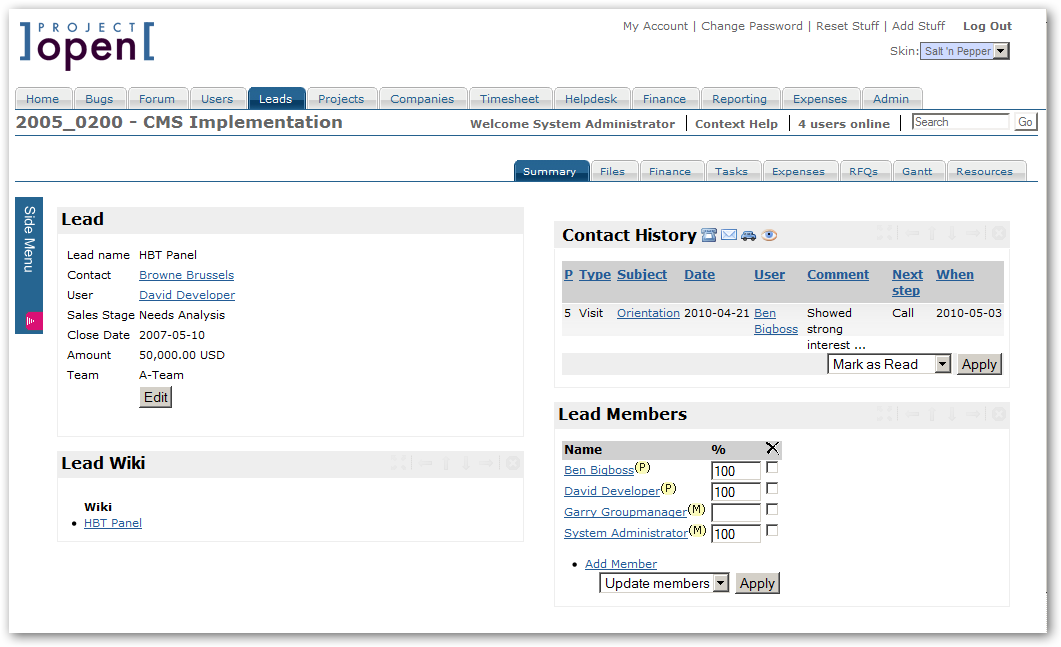
Setting up Pipedrive CRM can streamline your sales process and enhance team collaboration within a small business. This powerful tool offers a structured approach to managing customer relationships, ensuring that no potential lead slips through the cracks. By following systematic steps, small businesses can effectively integrate Pipedrive into their operations and reap the benefits of improved sales performance.
Steps for Setting Up Pipedrive for a Small Business
To successfully implement Pipedrive, small businesses should follow a structured approach. The following steps Artikel the essential process for setting up the platform:
1. Sign Up for Pipedrive: Create an account on the Pipedrive website. Choose a plan that aligns with your business size and needs.
2. Define Your Sales Pipeline: Customize the sales stages according to your business model. Identify the steps your sales team follows from lead generation to closing deals.
3. Add Users: Invite team members to join Pipedrive, assigning them appropriate roles and permissions based on their responsibilities.
4. Import Contacts and Leads: Utilize the import feature to bring in existing contacts, ensuring a smooth transition into the new system.
5. Set Up Custom Fields: Tailor the system to capture essential information specific to your business by creating custom fields for contacts, deals, and products.
6. Integrate Other Tools: Link Pipedrive with other platforms your business uses, such as email marketing software or customer support tools, to create a unified workflow.
7. Train Your Team: Conduct training sessions for your team to familiarize them with Pipedrive’s features and functionalities, ensuring everyone is on the same page.
Best Practices for Migrating Data to Pipedrive
Migrating data from existing platforms to Pipedrive requires careful planning and execution to avoid disruptions. Adhering to best practices ensures that data integrity is maintained throughout the transition. Consider the following guidelines:
– Clean Your Data: Before migration, review and clean your data to remove duplicates or outdated information. This will enhance the quality of your database in Pipedrive.
– Use Pipedrive’s Import Tool: Leverage Pipedrive’s built-in import tool, which simplifies the process by allowing you to map fields accurately and ensuring data is correctly aligned during the transfer.
– Test the Migration: Perform a test migration with a small dataset to identify potential issues. This practice helps in troubleshooting before the full-scale migration.
– Backup Your Data: Always back up your existing data before initiating the migration. This precaution ensures you have a recovery option in case of unexpected challenges.
– Monitor After Migration: After migration, monitor the data for accuracy and completeness. Encourage team members to report any discrepancies they may encounter.
Checklist for Customizing Pipedrive to Fit Specific Business Needs
Customizing Pipedrive according to the unique requirements of a business can significantly enhance its effectiveness. The following checklist highlights important elements to consider:
– Sales Pipeline Stages: Define and customize the pipeline stages specific to your sales process.
– Custom Fields: Develop custom fields that capture relevant information unique to your industry or business model.
– Email Templates: Create standardized email templates for consistent communication with leads and customers.
– Automations: Set up automation rules for repetitive tasks such as follow-up reminders, notifications, or lead assignments.
– Reporting Dashboard: Customize the reporting dashboard to reflect key performance indicators (KPIs) important for your business.
– Integration with Other Tools: Ensure that necessary integrations with tools like Google Workspace, Slack, or Zapier are set up to facilitate seamless workflow.
– User Permissions: Assign user roles and permissions based on team members’ responsibilities to maintain data security and streamline access.
– Mobile Accessibility: Customize settings for mobile use, ensuring that team members can access Pipedrive on the go.
By following these steps and best practices, small businesses can effectively implement Pipedrive CRM, ensuring a smooth transition and an optimized sales process tailored to their specific needs.
Maximizing Efficiency with Pipedrive
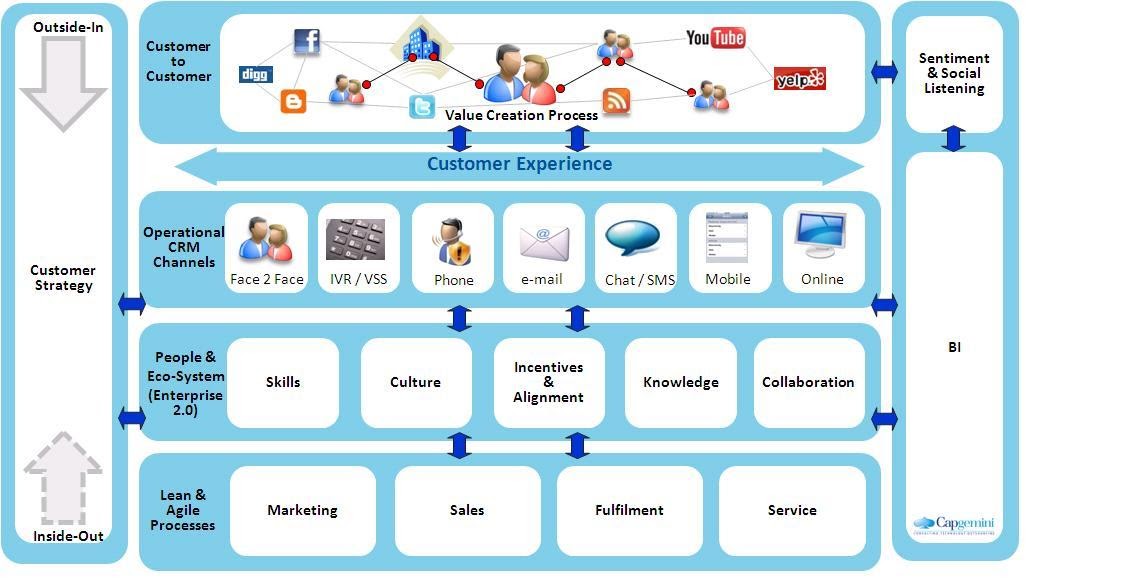
In today’s competitive business landscape, maximizing efficiency is crucial for achieving sales goals and maintaining a sustainable growth trajectory. Pipedrive CRM offers a plethora of features designed to streamline sales processes, improve tracking of leads, and generate insightful reports that aid in strategic decision-making. By leveraging these capabilities, businesses can focus on what they do best—closing deals—while automating time-consuming tasks.
Key Automation Features in Pipedrive
Pipedrive is equipped with a range of automation features that can enhance productivity and reduce manual work. These tools allow sales teams to automate repetitive tasks, enabling them to concentrate on building relationships and nurturing leads. The following points highlight some of the most impactful automation features within Pipedrive:
- Email Automation: Automate follow-up emails based on specific triggers, such as deal stage changes or lead interactions. This ensures timely communication without manual intervention.
- Workflow Automations: Set up workflows that automatically create tasks or notifications based on certain events, such as when a lead reaches a particular stage in the pipeline.
- Lead Scoring: Utilize automated lead scoring to prioritize leads based on predefined criteria, allowing your sales team to focus on high-potential opportunities.
- Integrations with Other Tools: Connect Pipedrive with other applications (like email marketing tools, social media platforms, and project management software) to automate data sharing and streamline processes across systems.
Tracking Leads and Managing Sales Pipelines, Crm pipedrive
Effective tracking of leads and management of sales pipelines are essential for maximizing efficiency. Pipedrive provides intuitive tools that simplify these processes, ensuring that every lead is nurtured appropriately as it moves through the sales funnel. Key functionalities include:
- Visual Sales Pipeline: Utilize the drag-and-drop interface to visualize the sales pipeline. This allows for quick adjustments to deal stages and helps identify bottlenecks at a glance.
- Customizable Stages: Tailor the sales pipeline stages according to your business model, ensuring that every step reflects your unique sales process.
- Activity Management: Schedule and track activities related to each lead, including calls, meetings, and tasks, which helps maintain momentum and accountability.
- Mobile Accessibility: Access your sales pipeline on-the-go through the Pipedrive mobile app, allowing for real-time updates and lead management from anywhere.
Reporting Features in Pipedrive
Pipedrive’s reporting capabilities are crucial for analyzing sales performance and making informed decisions. The ability to interpret these reports effectively can provide insights into team performance, lead conversion rates, and overall sales health. Notable reporting features include:
- Sales Reports: Generate comprehensive sales reports that break down performance by team members, lead sources, and deal stages. These insights help identify strengths and areas for improvement.
- Forecasting Tools: Utilize forecasting features to predict future sales based on historical data, which aids in strategic planning and resource allocation.
- Custom Dashboards: Create personalized dashboards that display key metrics and KPIs relevant to your team’s objectives, ensuring everyone can track performance at a glance.
- Data Visualization: Leverage visual representations of data, such as charts and graphs, to easily interpret trends and make data-driven decisions.
“Data-driven insights empower sales teams, enabling them to enhance their strategies and achieve their targets more efficiently.”
Integrating Pipedrive with Other Tools

Integrating Pipedrive with various tools enhances its functionality, enabling businesses to streamline processes and improve collaboration across departments. With the ability to connect Pipedrive to different platforms, organizations can ensure that their sales, marketing, and customer service teams work in harmony.
Email Marketing Platform Integration
Integrating Pipedrive with email marketing platforms can significantly boost lead nurturing efforts. By automating the flow of information between these systems, businesses can create targeted campaigns based on the data collected in Pipedrive. This integration allows for personalized communication, which can lead to higher engagement rates and improved conversion.
The benefits of integrating Pipedrive with email marketing platforms include:
- Automated Campaigns: Automatically trigger email campaigns based on specific actions taken by leads in Pipedrive.
- Segmentation: Use data from Pipedrive to segment audiences for more effective targeting.
- Tracking Performance: Measure the success of campaigns directly from Pipedrive, providing insights into what works best.
- Improved Customer Relationships: Maintain consistent communication tailored to customer needs and preferences.
Popular Applications That Integrate with Pipedrive
A wide array of applications seamlessly integrates with Pipedrive, allowing businesses to customize their tech stack according to their specific needs. Below is a list of popular tools that can enhance the functionality of Pipedrive:
- Mailchimp: A leading email marketing platform for creating, sending, and analyzing email campaigns.
- Zapier: A powerful automation tool that connects Pipedrive with thousands of other applications, streamlining workflows.
- Slack: A communication platform that facilitates team collaboration and enables notifications from Pipedrive in real-time.
- Google Workspace: Integrates with Pipedrive for seamless scheduling, document sharing, and communication.
- Zoom: Facilitates virtual meetings with clients, automatically logging meetings within Pipedrive.
Custom Integrations Using Pipedrive APIs
For businesses with unique requirements, leveraging Pipedrive’s APIs for custom integrations can unlock immense potential. The APIs allow developers to create tailored solutions that automate processes and enhance data management. This capability ensures that businesses can adapt Pipedrive to fit their specific workflows seamlessly.
Custom integrations can facilitate:
- Data Synchronization: Automatically synchronize data between Pipedrive and other systems to maintain data integrity.
- Custom Dashboards: Build customized dashboards that reflect key metrics relevant to the business’s unique needs.
- Automated Workflows: Design workflows that automate repetitive tasks, saving time and reducing manual effort.
- Enhanced Reporting: Generate custom reports that combine data from multiple sources for comprehensive insights.
“Integrating Pipedrive with other tools not only streamlines workflows but also enhances the overall efficiency of sales processes.”
Key Questions Answered
What is Pipedrive CRM used for?
Pipedrive CRM is used to manage sales processes, track leads, and improve customer relationships through effective sales pipeline management.
How does Pipedrive compare to other CRMs?
Pipedrive offers a more intuitive interface and is specifically designed for sales teams, making it easier to manage sales processes compared to other CRMs.
Can Pipedrive integrate with other applications?
Yes, Pipedrive can seamlessly integrate with various email marketing platforms, productivity tools, and other applications to enhance its functionality.
Is Pipedrive suitable for small businesses?
Absolutely! Pipedrive is designed to cater to businesses of all sizes, making it an ideal choice for small businesses looking to manage their sales processes efficiently.
What kind of support does Pipedrive offer?
Pipedrive provides various support options, including live chat, email support, and a comprehensive help center with tutorials and resources.